WASHINGTON, DC — Venomous snakes can turn up near U.S. beaches, especially where dunes, marshes and coastal scrub meet the shoreline. Reports from coastal areas in Florida, Georgia, South Carolina, Texas and Southern California show that beachgoers may share habitat with species that are capable of biting if disturbed.
At a glance
- Animal: Eastern diamondback rattlesnakes, western diamondbacks, cottonmouths and yellow-bellied sea snakes
- Where: Coastal areas in Florida, Georgia, South Carolina, Texas and Southern California
- When: Sightings reported in recent years, including a 2018 report near Fort Pickens
- What happened: Snakes were documented in beach-adjacent habitats, and one eastern diamondback was seen swimming in the Gulf
- Status: The snakes remain part of the natural coastal environment in those areas
- Anyone hurt: No injuries were reported in the beach sightings cited
What happened
Coastal wildlife reports show that venomous snakes are not limited to inland woods or swamps. In some beach communities, they live in dunes, marsh edges, maritime forests and scrub habitat that sits just behind the sand.
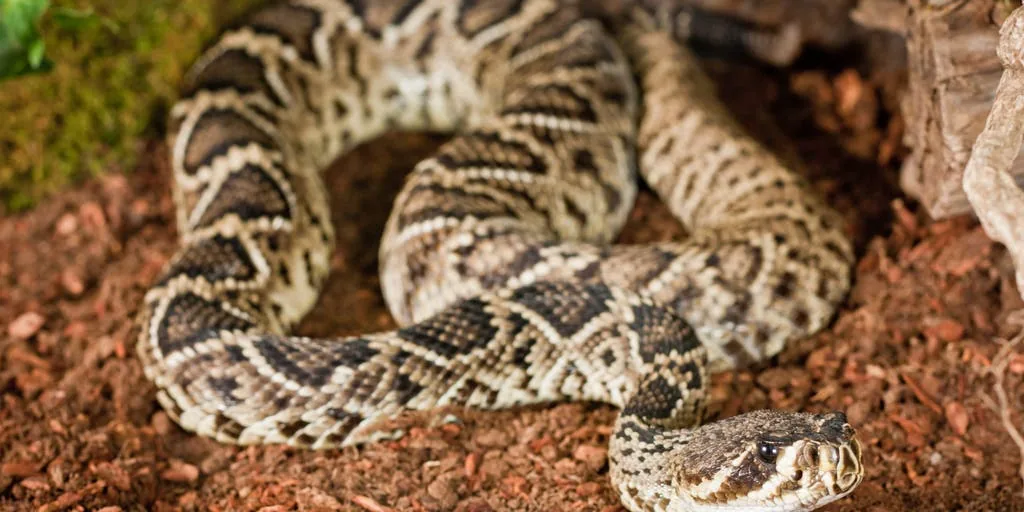
Near Pensacola Beach, Florida, eastern diamondback rattlesnakes have been reported around Fort Pickens. One account cited by WorldAtlas said three eastern diamondbacks were spotted there during a one-week span in 2018, including one that was seen swimming in the Gulf.
The National Park Service says the eastern diamondback is native to Gulf Islands National Seashore and can live in coastal dune habitat. Farther up the coast, eastern diamondbacks have also been documented on barrier islands in Georgia and South Carolina, including the ACE Basin area in South Carolina.
On the Texas Gulf Coast, the snake mix changes. WorldAtlas reported that western diamondbacks are found along the Texas coast, while cottonmouths are present in coastal marshes and other wet habitats. These snakes are generally more associated with dunes, scrub and marshland than with open sand.
About the animal
Eastern and western diamondback rattlesnakes are among the largest venomous snakes in North America. They have thick bodies, distinct diamond-shaped markings and the rattlesnake’s famous segmented tail rattle, which serves as a warning signal when the snake feels threatened.
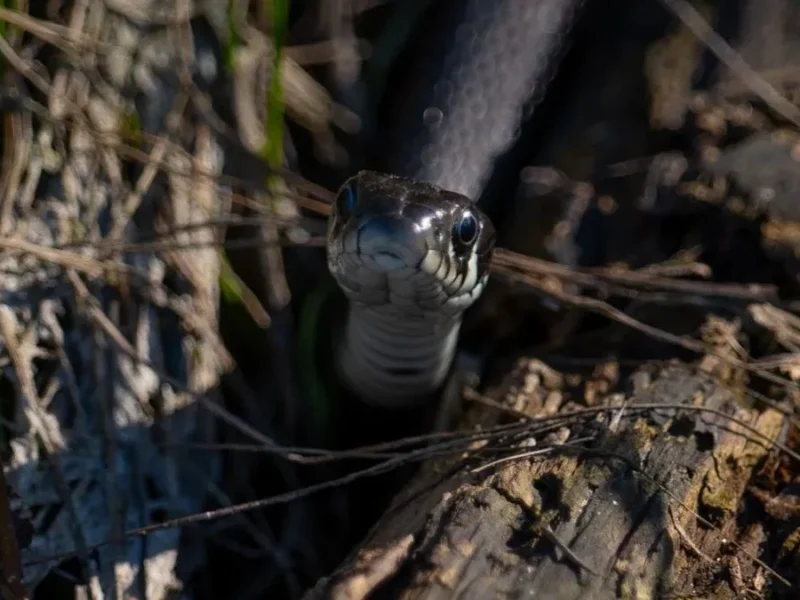
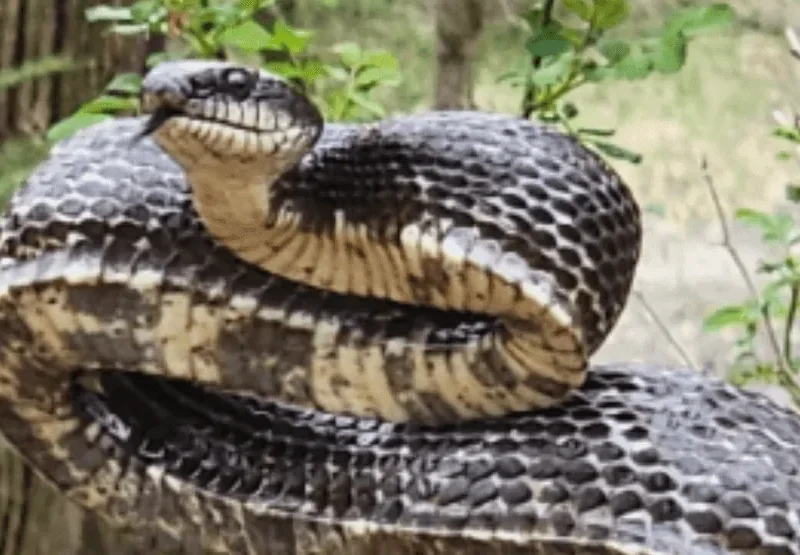
Cottonmouths are heavy-bodied pit vipers with dark coloration and a broad head. They are often found near water and can hold their ground when disturbed, which is why people sometimes mistake them for being more aggressive than other snakes.
The yellow-bellied sea snake is a different kind of animal altogether. It is a marine species that normally lives in tropical waters, but rare appearances have been documented along Southern California beaches, including Silver Strand Beach in Oxnard, Bolsa Chica State Beach and Coronado Dog Beach.
If you encounter one
Keep your distance and give any snake plenty of room. If you see one on a beach path, in the dunes or near marsh grass, back away slowly and let it move off on its own. Do not try to touch, chase, trap or kill it.
Watch children closely and keep pets leashed in coastal habitat where snakes may hide in vegetation or under driftwood. Many bites happen when people try to handle a snake or step too close without seeing it first.
If a snake is in a public area, contact local animal control, park staff or the state wildlife agency. If someone is bitten, call 911 right away and get medical help immediately. Do not cut the wound, suck out venom or use a tourniquet.
What happens next
In the cases cited by wildlife and park officials, the snakes were treated as part of the natural coastal environment rather than as a one-time emergency. The main response is awareness, not panic.
Officials and park managers typically rely on warning signs, public guidance and reports from visitors when venomous snakes are seen near popular shoreline areas.
Spotted a dangerous animal where you live? Report it to your state wildlife agency or local animal control.