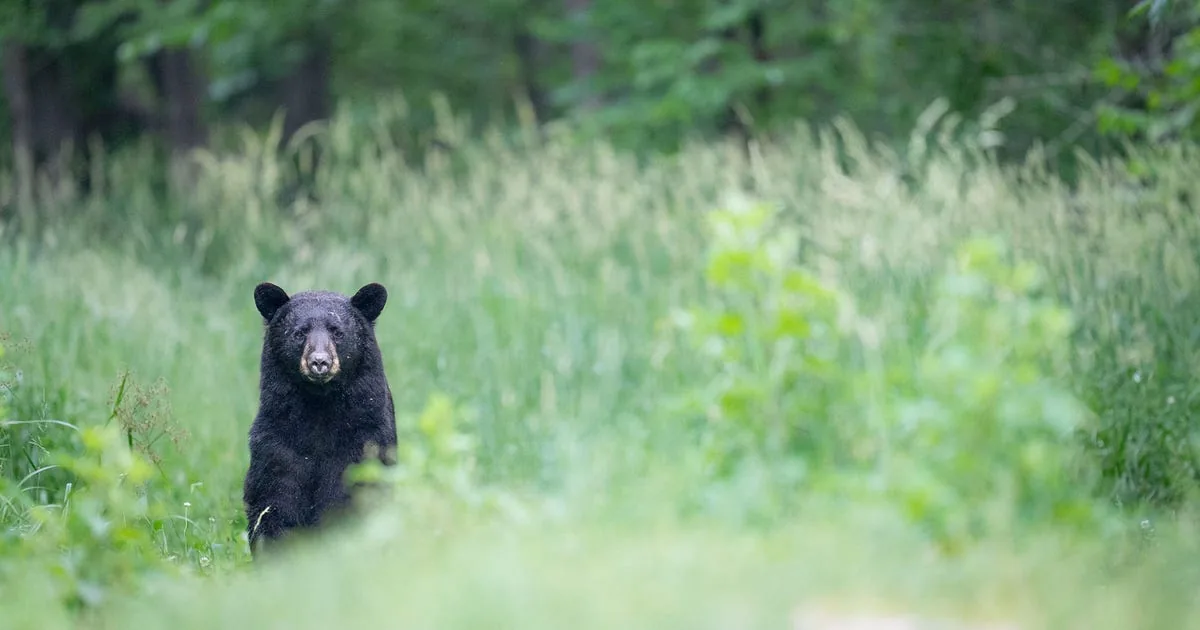
BELLINGHAM, WA — Two people, including a child, were injured after a black bear attacked them Sunday night on a property outside Bellingham. Washington wildlife officials say both were taken to a local hospital, and the bear involved has not been found.
At a glance
- Animal: Black bear
- Where: A property outside Bellingham in Whatcom County, Washington
- When: Sunday night
- What happened: A man and a child were attacked and injured
- Status: Washington State Department of Fish and Wildlife is still searching for the bear
- Anyone hurt: Yes, two people were hurt and treated at a local hospital
What happened
The Washington State Department of Fish and Wildlife said the attack happened Sunday night in Whatcom County, on private property outside Bellingham. The agency said a man and a child sustained injuries in the encounter and were taken to a nearby hospital for treatment.
Officials have not said what led to the bear’s behavior or how close the people were to the animal when the attack occurred. They also have not released further details about the victims’ conditions.
The department said it is continuing to search for the bear. It is not yet known whether the animal remains in the same area or has moved on.
The incident is the second bear encounter in Whatcom County in less than a month. On Aug. 15, a woman encountered a black bear on a trail near Lake Whatcom, and wildlife officials were not able to locate that bear afterward.
About the animal
Black bears are the most common bear species in North America. Adults can vary widely in size, but they are typically smaller than grizzly bears and can range from dark brown to black in color. Despite the name, some black bears are cinnamon or brown.
They usually spend much of their time looking for food such as berries, nuts, insects, carrion, and sometimes human garbage or pet food if those items are left out. Black bears are generally shy and try to avoid people, but they can become dangerous if startled, cornered, or attracted to easy food sources.
In Washington, black bears live in forested and mountainous areas and can also move through foothills and developed edges where food is available. Encounters are not rare in bear country, but attacks on people are uncommon.
If you encounter one
Wildlife officials say the first step is to stay calm and make sure the bear knows you are human. Stand up straight, wave your arms above your head, and speak in a firm, low voice. Back away slowly while keeping the animal in view if you can do so safely.
Do not run from a bear, since that can trigger a chase response. Avoid direct eye contact, which some experts say can be read as a challenge. If the bear is approaching, give it space and continue to retreat without turning your back.
People hiking or living in bear country should make noise, keep pets leashed, and store food, trash, and bird seed where bears cannot reach them. Children should stay close to adults, and anyone who sees a bear acting aggressively should contact local wildlife officials right away.
What happens next
The Washington State Department of Fish and Wildlife says it is still trying to find the bear involved in the attack. Officials have not said whether they plan to relocate or remove the animal if it is located.
For now, the agency’s warning is simple: people in the area should stay alert, especially in places where bears may be feeding or moving through after dark.
Spotted a dangerous animal where you live? Report it to your state wildlife agency or local animal control.