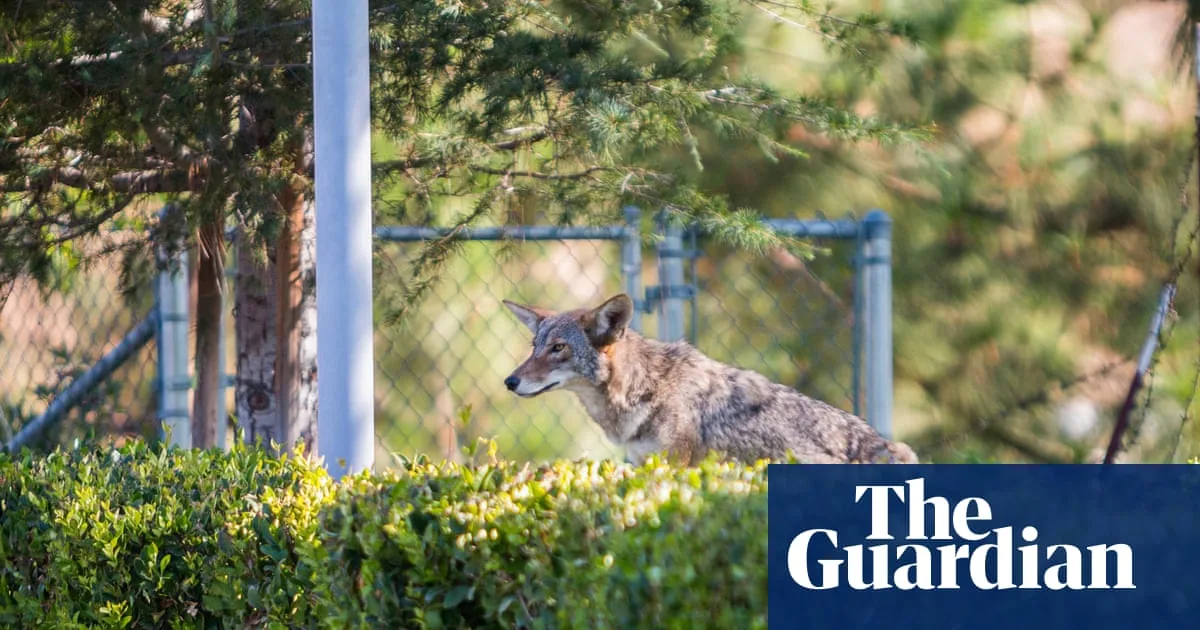
LOS ANGELES, CA — A coyote that had become a familiar but troubling sight in Atwater Village attacked a 16-month-old boy in a backyard Friday evening, according to local reporting and state wildlife officials. The child was taken to a hospital and later discharged. California officials say the coyote was euthanized and confirmed through DNA testing as the animal involved.
At a glance
- Animal: A wild coyote that neighbors had seen around Atwater Village for months.
- Where: Atwater Village, a neighborhood in Los Angeles.
- When: Friday evening, after a long period of neighborhood complaints.
- What happened: The coyote entered a family’s backyard, attacked a 16-month-old boy, and followed the mother and child toward the house before leaving.
- Status: California Department of Fish and Wildlife says the animal was euthanized and DNA testing confirmed it was the offending coyote.
- Anyone hurt: The toddler was treated at a hospital and discharged.
What happened
Residents in the Los Angeles neighborhood had been talking about the coyote for months. People reported seeing it in daylight, sleeping in backyards, and approaching residents. Some neighbors said someone had been feeding it, and the animal picked up the nickname Wiley.
On Friday evening, the coyote went into a family’s backyard and attacked a 16-month-old boy, according to local reporting. When the child and his mother ran back toward the house, the coyote followed them inside and had trouble leaving, KTLA reported.
The child was taken to a hospital and was later released. A California Department of Fish and Wildlife spokesperson said a coyote was found at the location where the attack happened and was euthanized.
The agency also said DNA samples were taken from the boy and the animal. Officials later said the samples matched, confirming the coyote that was taken was the one involved in the attack.
About the animal
Coyotes are medium-sized wild canids that are common across much of the United States, including Southern California. They are generally slimmer than wolves, with pointed ears, a narrow muzzle, and a bushy tail.
They usually eat a wide range of food, including rodents, rabbits, fruit, insects, and sometimes pet food or other easy meals left outdoors. In developed areas, coyotes can adapt quickly to people, which can make them more visible in neighborhoods.
In most cases, coyotes avoid direct contact with people. The greater risk comes when they lose their fear of humans, are fed, or learn to associate houses, yards, and pets with food. Small children and unattended pets are the most vulnerable.
If you encounter one
Wildlife agencies generally advise people to keep their distance, make themselves look larger, and use a loud voice if a coyote does not back away. Do not run, and do not turn your back if the animal is close. Back away slowly while keeping it in view.
Never feed coyotes or leave food outside, including pet food, uncovered trash, fallen fruit, or bird seed that may attract rodents. Bring pets indoors at night when possible, and do not leave small children outside alone in areas where coyotes have been seen.
If a coyote acts boldly, follows people, or enters yards frequently, residents should contact local animal control or the California Department of Fish and Wildlife. Repeated sightings should be reported so officials can track behavior and decide whether intervention is needed.
What happens next
California Department of Fish and Wildlife says it is investigating the feeding allegations tied to the neighborhood coyote. Officials said they followed up on tips they received about the animal.
Residents and wildlife advocates in the area are still debating how the situation was handled, but the confirmed animal is now dead and the child has been treated and released.
Spotted a dangerous animal where you live? Report it to your state wildlife agency or local animal control.