PARAMUS, NJ — Police and residents reported black bear sightings Monday in Paramus, River Edge and Bergenfield, raising concern in three Bergen County towns where bears are not usually seen. Local officials said the animal may have been the same bear moving through several neighborhoods, and they warned people to stay away and secure food sources.
At a glance
- Animal: Black bear
- Where: Paramus, River Edge and Bergenfield in Bergen County, New Jersey
- When: Monday afternoon and early evening
- What happened: Residents recorded a bear walking through lawns, crossing a road, appearing in a diner parking lot and entering a driveway
- Status: Police said they were not sure whether it was the same bear in all three towns
- Anyone hurt: No injuries were reported
What happened
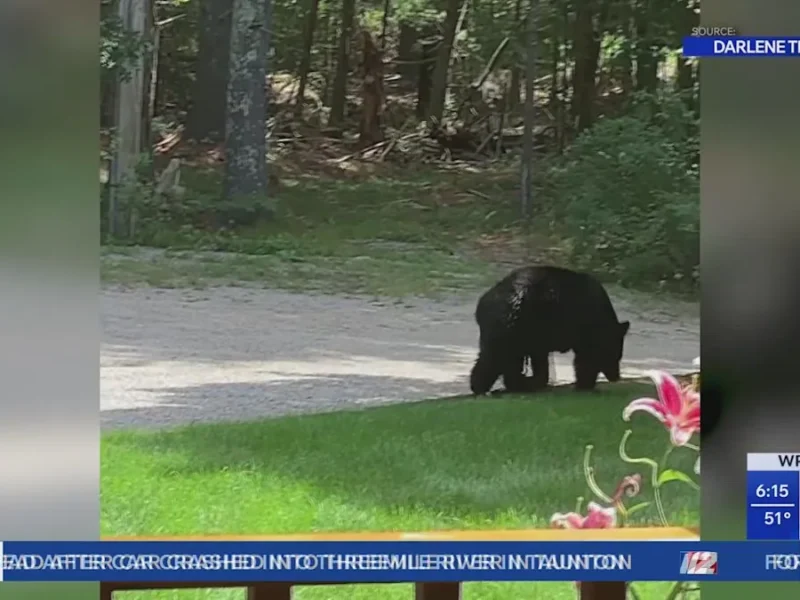
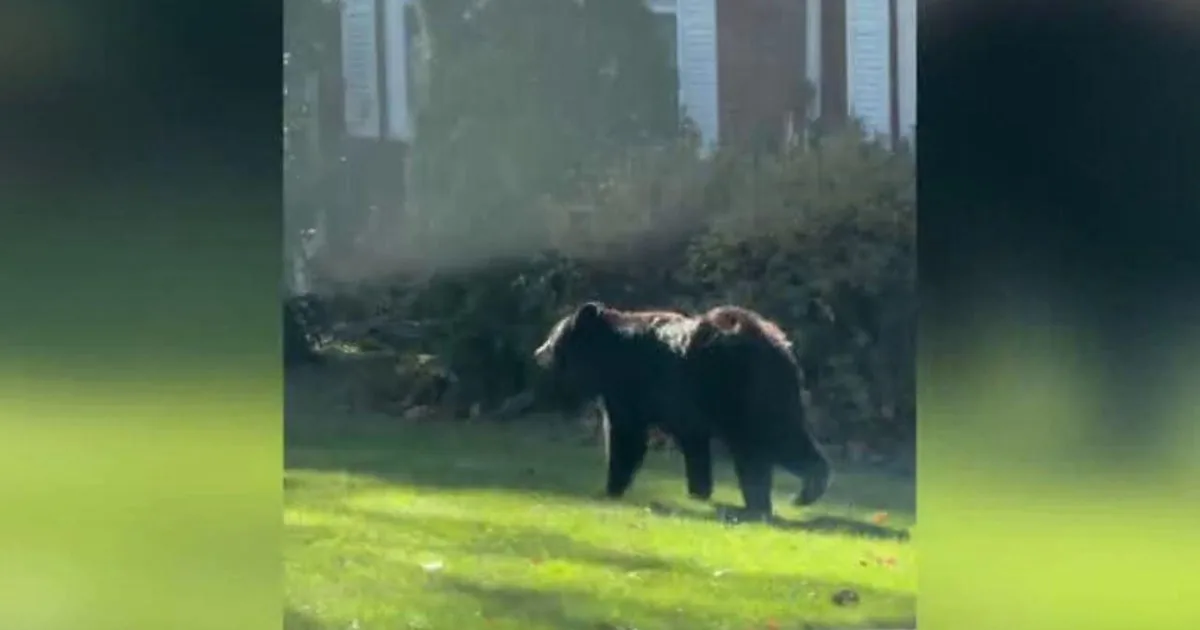
In Paramus, resident Matt Conway captured video of a bear walking across lawns along Fairview Avenue around 1:20 p.m. The animal was then reported just before 3 p.m. in River Edge, where another resident recorded it crossing Kinderkamack Road.
Surveillance video from the River Edge Diner showed the bear in the parking lot as employees stepped outside with their phones. Worker Christian Velez said he had never seen a bear in real life before, while Jeff Mischler said he watched it run behind cars and into a wooded area.
Later in the day, Bergenfield resident Enzo Assainte said he saw a black bear coming into his driveway just before sundown. He said he stayed inside his car, recorded the encounter, and watched the animal go back out, turn into his backyard and hop the fence to a neighboring property.
Local police said they could not confirm whether the same bear was responsible for all three sightings, but they were urging people to use caution. The Bergenfield Police Department also posted a warning on social media telling residents to be careful.
About the animal
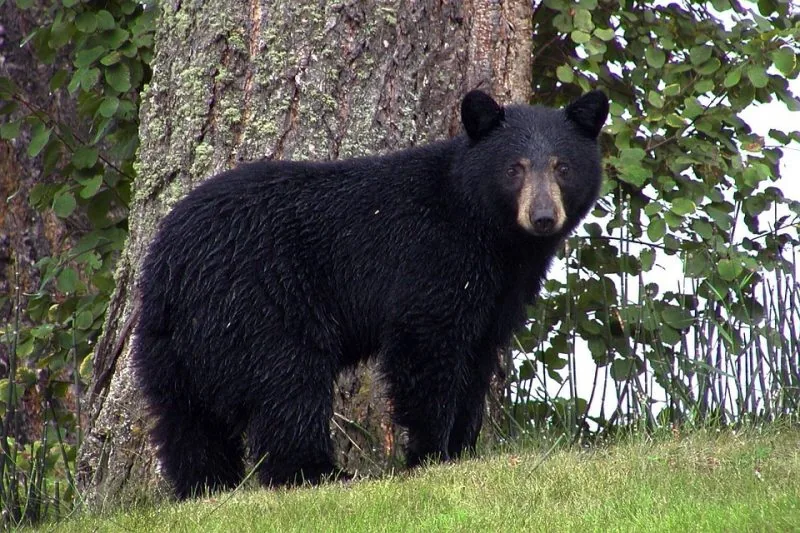
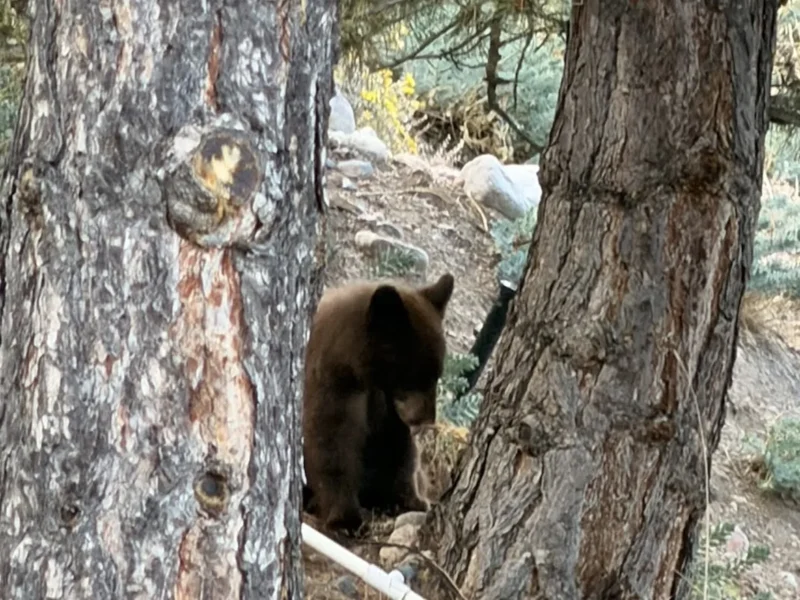
Black bears are the only bear species native to New Jersey. Adult bears are usually stocky and dark-coated, with males often larger than females. Their size can vary widely depending on age, sex and season, and they can appear especially large when they are foraging in late summer and fall.
They are omnivores, which means they eat both plant and animal matter. Their diet can include berries, nuts, insects, carrion and unsecured trash or pet food. In neighborhoods, bears are often drawn to anything that smells like an easy meal.
Black bears are present across parts of New Jersey and other eastern states, and sightings are more likely where development meets woods or green corridors. They usually avoid people, but any wild bear can become dangerous if it feels cornered, startled or rewarded with food.
If you encounter one
Wildlife officials generally advise people to stay calm, back away slowly and give the bear a clear escape route. Do not run, crowd it, or try to take a selfie or get a closer video. Keep children close and bring pets inside if a bear is nearby.
Residents should secure garbage cans, remove bird feeders when bear activity increases, and bring pet food indoors. Outdoor grills, compost and other attractants should be stored or cleaned up so a bear has fewer reasons to return to a neighborhood.
If a bear does not leave, appears injured, or is acting aggressively, contact local police or the New Jersey Department of Environmental Protection for guidance. Officials say people should never approach a bear or try to scare it by getting too close.
What happens next
Police in the Bergen County towns were continuing to warn residents after the sightings and were asking people to use caution in their neighborhoods. They did not say whether wildlife officials had captured or relocated any bear.
For now, the main advice from authorities was to report sightings, keep a safe distance and remove anything around homes that might attract bears back into the area.
Spotted a dangerous animal where you live? Report it to your state wildlife agency or local animal control.