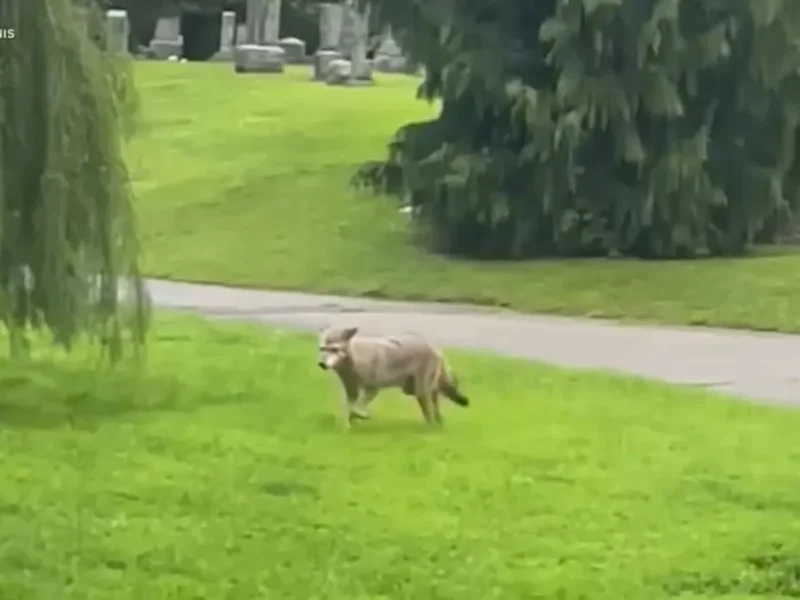
LOS ANGELES, CA — A coyote that was believed to have been euthanized after biting a toddler in Atwater Village was later seen again in the Los Angeles neighborhood, according to wildlife officials and local reports. The California Department of Fish and Wildlife says officers euthanized the animal a second time after it continued to pose a public-safety concern.
At a glance
- Animal: Coyote
- Where: Atwater Village in Los Angeles
- When: The first incident was in October; the animal was killed again on Tuesday, Nov. 10
- What happened: Officials said the coyote bit a 16-month-old boy, was shot during an earlier attempt to euthanize it, then was spotted limping in the neighborhood before being euthanized again
- Status: California Department of Fish and Wildlife says the coyote is dead
- Anyone hurt: A 16-month-old boy was bitten in a backyard; no additional injuries were reported
What happened
California Department of Fish and Wildlife officials said the coyote attacked a 16-month-old boy in a backyard in Atwater Village in October. After that bite, officers tried to euthanize the animal on Oct. 16.
The department said officers shot the coyote and believed it had died from blood loss. But they later could not find the body, and residents reported seeing a limping coyote in yards in recent weeks.
Local reporting said neighbors had also been feeding the animal for months, which likely made it more comfortable around people. Wildlife officials described the coyote as habituated and a nuisance because it was no longer keeping its distance.
The coyote was shot and killed again in Atwater Village on Tuesday, Nov. 10, according to the California Department of Fish and Wildlife. Officials said the euthanasia was carried out because the animal remained a threat to public safety.
About the animal
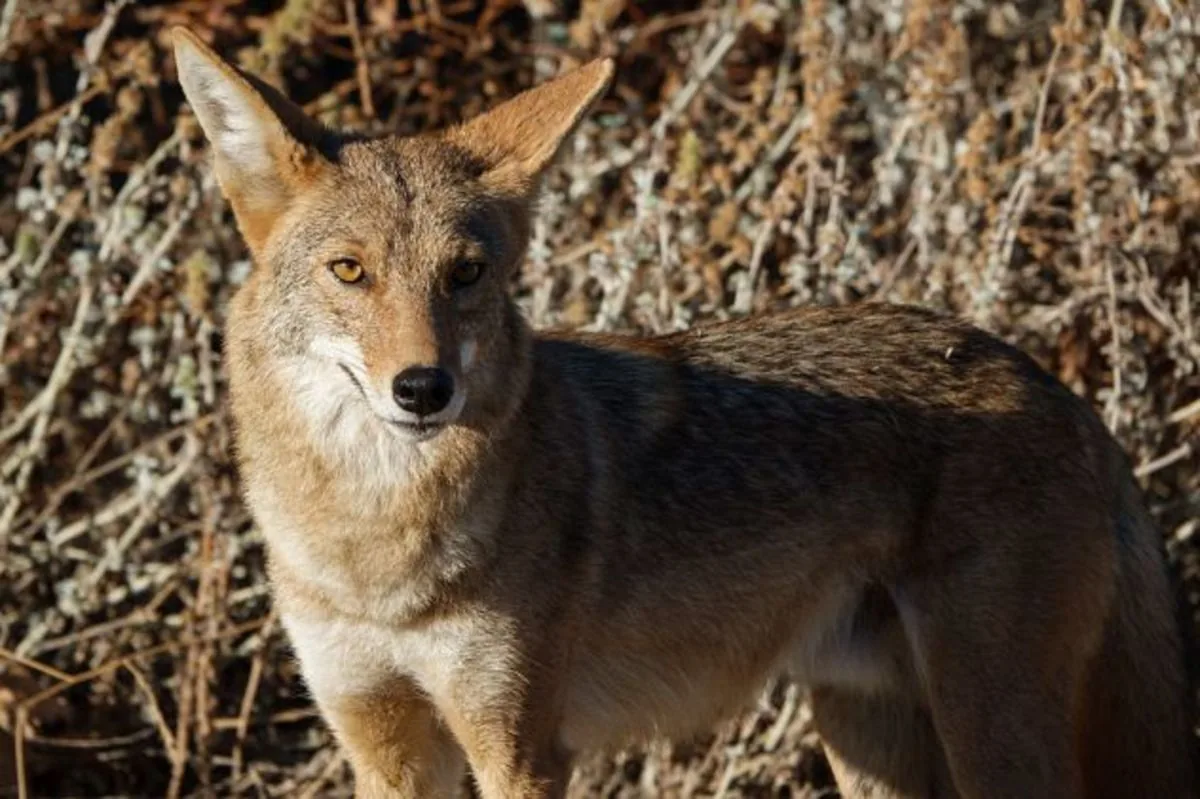
Coyotes are medium-sized wild canines with pointed ears, narrow muzzles and bushy tails. They are smaller than most domestic dogs, though adults can still look imposing when they are moving through a neighborhood at night or in low light.
In California, coyotes are native wildlife and are found in rural, urban and residential areas. They are intelligent, highly adaptable animals that usually live in family groups and eat a wide range of foods, including small mammals, fruit and scraps when those are available.
Most coyotes naturally avoid people, but they can become habituated if they are regularly fed or find easy access to trash, pet food or other human food sources. Once that happens, they may stop showing normal caution and can become bolder around people and pets.
If you encounter one
Wildlife officials recommend keeping children and pets close, backing away slowly and giving the animal room to leave on its own. If a coyote is nearby, make yourself look larger, clap, shout or use a whistle to scare it off.
Do not feed coyotes or leave out food that can attract them. Bring pets inside at night, keep dogs on a leash, secure trash in closed bins and clean up bird seed, pet food and other attractants around the yard.
If a coyote makes physical contact, fight back rather than freezing or turning away. After a close encounter or attack, call Animal Control or 911, and contact the California Department of Fish and Wildlife if local officials direct you to do so.
What happens next
The California Department of Fish and Wildlife says the coyote has now been euthanized. Officials also pointed to state rules that bar trapping and relocating coyotes, which can limit the options available when an animal becomes a repeated danger.
Residents who live near coyotes are being urged to remove food sources and reduce opportunities for the animals to become comfortable around people. In neighborhoods where coyotes are common, officials say prevention is the best way to avoid repeat conflicts.
Spotted a dangerous animal where you live? Report it to your state wildlife agency or local animal control.