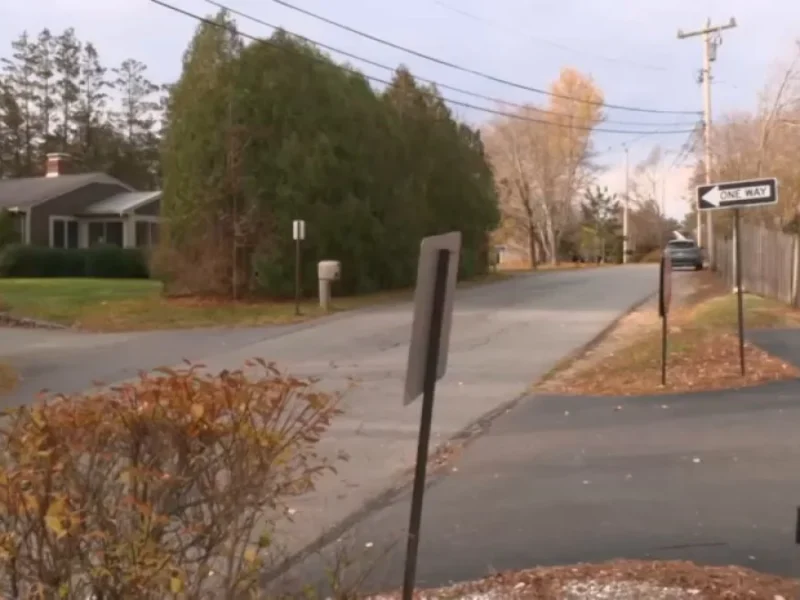
KINGSTON, MA — Residents in Kingston are being urged to stay alert after a coyote was seen during the day and attacked a cat. Local officials say the animal remains a concern for the neighborhood, and people are being reminded to keep pets close and avoid approaching wildlife.
At a glance
- Animal: Coyote
- Where: Kingston, Massachusetts
- When: Daytime sighting, with the attack reported during the day
- What happened: A coyote attacked a cat and prompted warnings for nearby residents
- Status: Residents have been put on alert; officials have not announced any capture or removal
- Anyone hurt: No human injuries were reported
What happened
NBC Boston reported that the concern began after a coyote was seen in Kingston in daylight and then attacked a cat. The unusual timing of the sighting added to residents’ worry, since coyotes are more often noticed at dawn, dusk, or overnight.
Local officials have warned neighbors to be cautious and to take common-sense steps around pets. The key concern in situations like this is that a coyote that loses its caution around people or finds easy food may linger near homes, yards, or walking paths.
For households nearby, the advice is straightforward: keep a close eye on small animals, especially outdoors, and do not leave food out that could attract wildlife. Even when a coyote is not acting aggressively toward people, a daylight appearance near homes can be enough to justify extra care.
Officials have not said the animal was captured or removed. For now, the main message to residents is to stay aware of their surroundings and report continued sightings if the coyote remains active in the area.
About the animal
The coyote is a medium-sized wild canine found across much of the United States. Adults are usually tan, gray, or brown, with a narrow muzzle, pointed ears, and a bushy tail. They are often mistaken for small wolves, but coyotes are generally lighter-built and smaller.
Coyotes are adaptable animals that can live in forests, fields, suburbs, and even cities. They eat a wide range of food, including rodents, rabbits, birds, insects, fruit, and sometimes garbage or pet food left outside. That flexibility helps them survive near people.
In New England and much of the country, coyotes are a common part of the landscape. They usually avoid people, but they can become bold if they are fed, if food is easy to find, or if pets are left unattended. Small dogs and cats are the animals most at risk.
If you encounter one
If you see a coyote, do not run. Stand tall, make yourself look larger, and make noise by shouting, clapping, or using a whistle or air horn. The goal is to make the animal uncomfortable enough to leave.
Keep children close and bring pets indoors right away. Do not let cats roam outside unattended, and keep dogs on a short leash. Remove outdoor food sources such as pet food, bird seed, and unsecured trash, since those can draw coyotes into neighborhoods.
Never feed a coyote and never try to approach or corner it. If the animal seems unusually bold, keeps returning, or acts sick or injured, contact local animal control or the Massachusetts Division of Fisheries and Wildlife. In an emergency, call 911.
What happens next
Residents are being asked to stay watchful for more sightings and to report any aggressive behavior to local authorities. That helps officials track whether the animal is passing through or regularly using the neighborhood.
If the coyote continues to appear in daylight or shows little fear of people, wildlife officials may step up warnings or take further action. For now, the main focus is keeping pets protected and reducing the chances of another encounter.
Spotted a dangerous animal where you live? Report it to your state wildlife agency or local animal control.