FAIRFIELD, CT — A woman in Fairfield is recovering after a coyote attacked her and two small dogs Monday afternoon on Catamount Road. Police euthanized the animal and sent it for testing, while officials warned residents to keep pets close and avoid feeding coyotes.
At a glance
- Animal: Coyote
- Where: Catamount Road in Fairfield, Connecticut
- When: Monday afternoon
- What happened: A coyote attacked a woman walking two small dogs; a neighbor tried to scare it off, but it did not retreat.
- Status: Police euthanized the coyote and it is being tested.
- Anyone hurt: The woman was injured enough to begin rabies vaccine shots; the dogs were bitten.
What happened
Randy Newell said he heard the disturbance outside his home and moved toward the scene as the coyote was attacking his neighbor and her dogs. He said he shouted and tried to make himself look larger, but the animal kept going after one of the small dogs.
The woman ran to the Newells’ home for help after the attack started in a heavily wooded area with homes spread apart. Newell said the dog was trying to hide around the woman’s legs while the coyote bit at them.
Officials have not said what caused the animal’s behavior, but the coyote was described as unusually aggressive. Police later euthanized the animal, and it is now being tested for rabies.
The attack came about three weeks after another aggressive coyote incident involving multiple dogs in a different part of Fairfield. Police and animal control officials used the latest case to renew warnings about pet safety outdoors.
About the animal
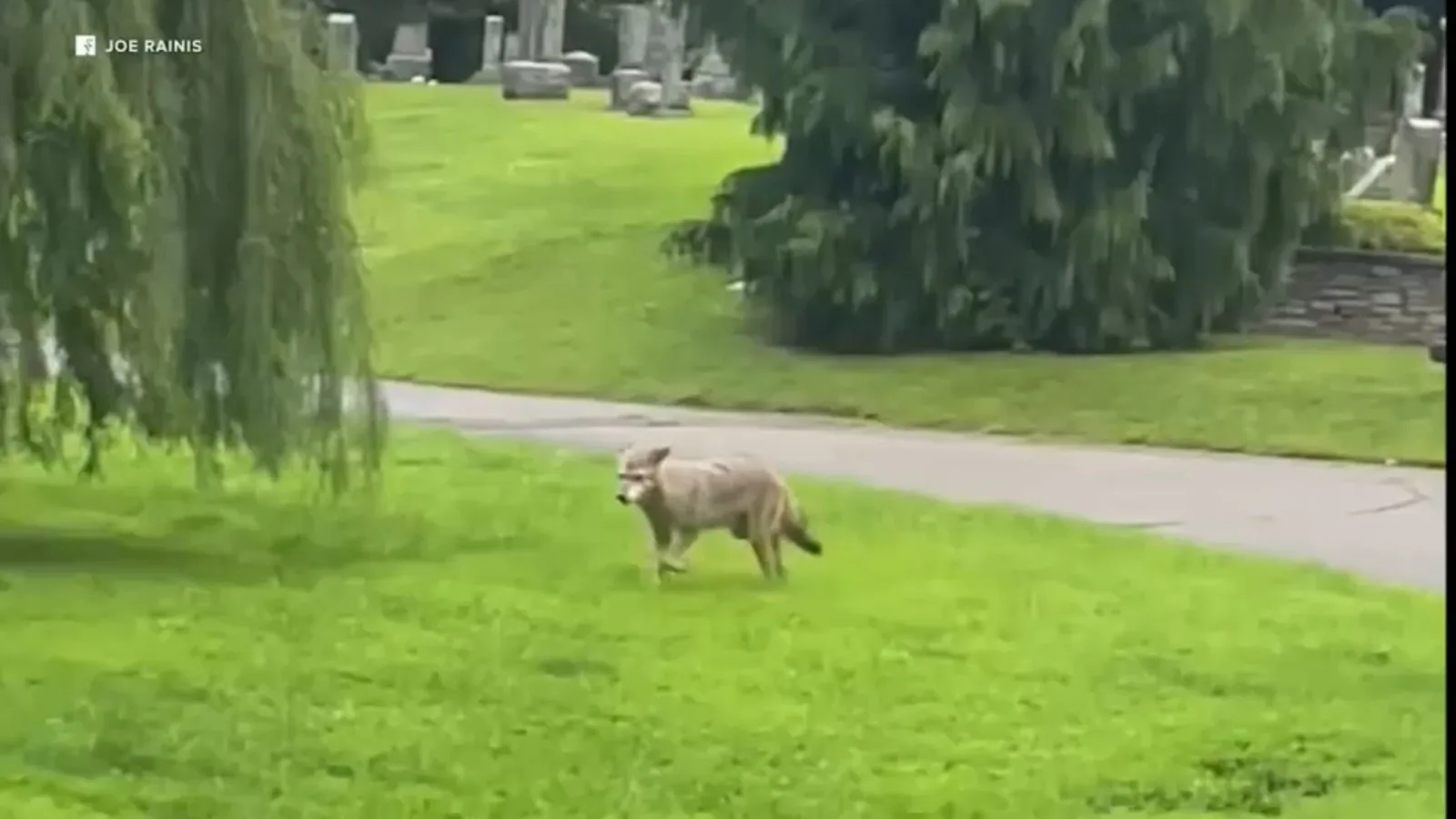
Coyotes are medium-sized wild canines with pointed ears, narrow muzzles and bushy tails. Adults are often mistaken for small wolves, though they are generally lighter and slimmer. They can live in woods, brush, fields and even suburban neighborhoods.
In Connecticut and across much of the Northeast, coyotes are common enough that many residents see them regularly. They usually feed on small mammals, birds, insects and fruit, and they often avoid people. Most coyotes are not a threat unless they become habituated, cornered or sick.
Problems can happen when coyotes lose their fear of people, find easy food near homes or are protecting territory or pups. A coyote acting boldly in daylight or approaching people and pets should be treated with caution, especially if it does not back away when challenged.
If you encounter one
Wildlife officials generally advise people to stay calm, stand tall and make loud noise if a coyote comes close. Wave your arms, back away slowly and do not turn and run. Do not feed coyotes or leave pet food outdoors where it can attract them.
Keep dogs on a short leash and bring pets inside at dusk and dawn, when coyotes are often active. Small dogs and cats should never be left unattended outside in areas where coyotes are known to roam. Children should be kept close when walking near brush, wooded edges or open land.
If a coyote acts aggressive, stalks people or attacks a pet, contact local police, animal control or the state wildlife agency right away. In Connecticut, residents are also urged to report unusual behavior that could point to rabies so the animal can be examined quickly.
What happens next
The coyote has been euthanized and will be tested for rabies. That testing will help officials determine whether the attack was linked to illness, while the woman who was bitten has already started a series of rabies shots.
Police and animal control are continuing to warn Fairfield residents to leash pets, avoid feeding coyotes and be alert in wooded areas near homes. The earlier aggressive coyote incident in town has also kept public safety concerns high.
Spotted a dangerous animal where you live? Report it to your state wildlife agency or local animal control.