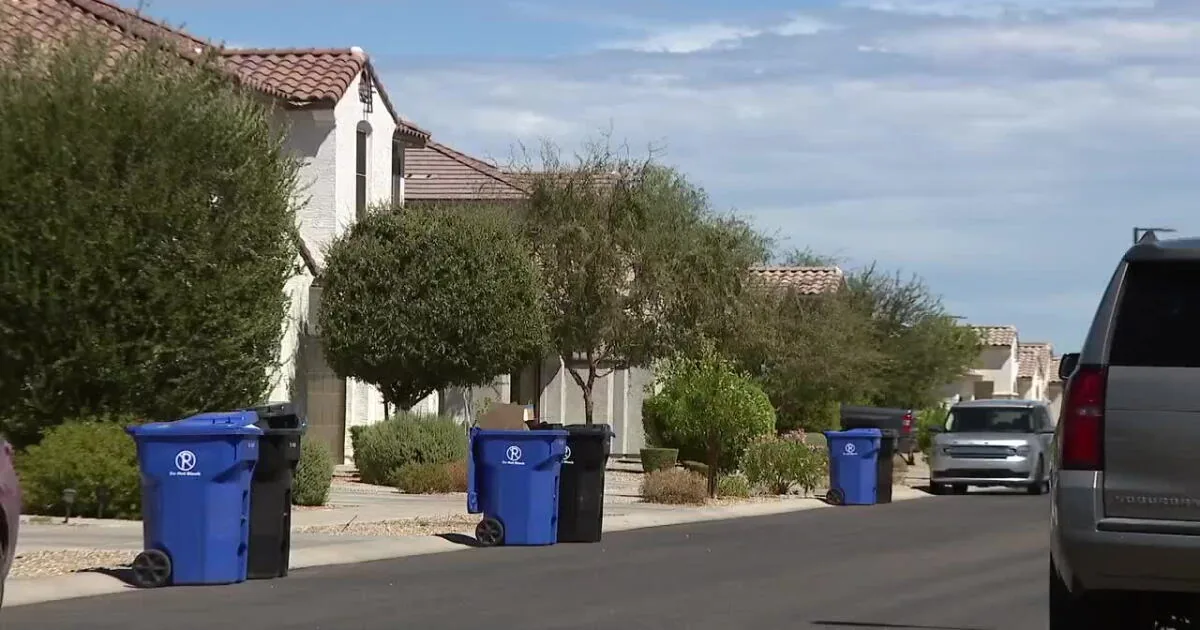
SURPRISE, AZ — A coyote became aggressive toward a mother and daughter in a Surprise neighborhood, and the woman moved to protect the child during the encounter. The incident has renewed attention on how quickly coyotes can act near homes, parks, and walking paths in the Phoenix metro area.
At a glance
- Animal: Coyote
- Where: A neighborhood in Surprise, Arizona
- When: Not specified in the available details
- What happened: A mother protected her daughter during an aggressive coyote attack
- Status: The encounter prompted safety reminders for nearby residents
- Anyone hurt: No injuries were reported in the available information
What happened
ABC15 Arizona reported that the coyote acted aggressively in a Surprise neighborhood, leading to a frightening encounter for the mother and daughter involved. The woman intervened to protect the child as the animal came too close.
The available details do not say exactly where in the neighborhood the incident occurred or what happened immediately after the coyote backed away. No information was provided about whether wildlife officials responded to the scene.
Coyote encounters are not unusual in the Phoenix area, especially where neighborhoods border washes, open desert, or undeveloped land. Officials routinely advise residents to stay aware of surroundings, particularly at dawn and dusk when coyotes are often most active.
In situations like this, wildlife authorities generally urge people to treat a coyote as potentially dangerous, even if it appears accustomed to people. Feeding or trying to chase one away can make the animal bolder, which raises the risk for children and pets.
About the animal
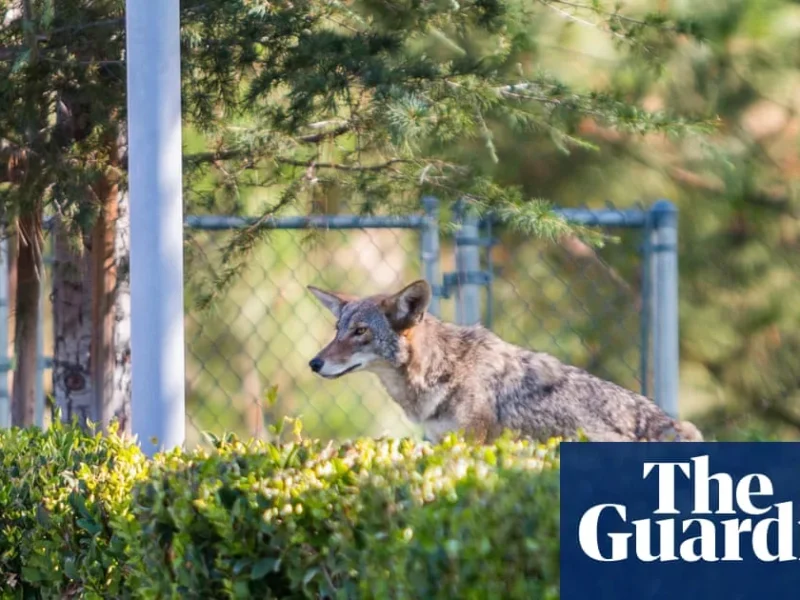
Coyotes are medium-sized wild canines with pointed ears, narrow muzzles, and bushy tails. Adults are usually smaller than wolves and larger than foxes, with coats that range from grayish-tan to reddish or brown depending on the season and region.
They are highly adaptable and eat a wide variety of foods, including rodents, rabbits, fruit, insects, and sometimes pet food or trash left outdoors. Coyotes often travel alone, although pairs or small family groups are also common.
In Arizona and throughout much of the western United States, coyotes are a familiar part of the landscape. They usually avoid people, but they can become a danger if they lose their fear of humans, are cornered, or are drawn in by food sources.
If you encounter one
Keep children close and pick up small pets if a coyote is nearby. Stand tall, make noise, wave your arms, and back away slowly. The goal is to scare the animal off without turning your back or running, which can trigger pursuit behavior.
Do not feed coyotes, leave pet food outside, or allow trash to sit unsecured. Keep dogs leashed and cats indoors, especially at daybreak, dusk, and night. If a coyote follows you, acts unusually bold, or seems injured or sick, report it to local animal control or the Arizona Game and Fish Department.
If a coyote approaches too closely, people are advised to use hazing techniques such as shouting, clapping, or throwing small objects near—not at—the animal to drive it away. Any direct bite, scratch, or attack should be reported immediately to local authorities and public health officials.
What happens next
The available information does not say whether the coyote was located or captured after the attack. Residents in the area are being reminded to stay alert and report bold or aggressive wildlife behavior.
Local agencies often monitor neighborhoods after a coyote attack to determine whether the animal needs to be hazed, relocated, or removed, depending on the circumstances and local policy.
Spotted a dangerous animal where you live? Report it to your state wildlife agency or local animal control.