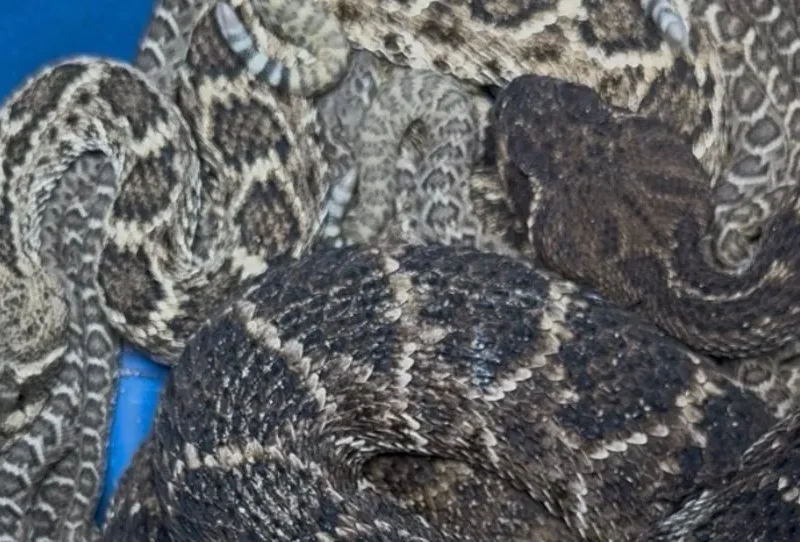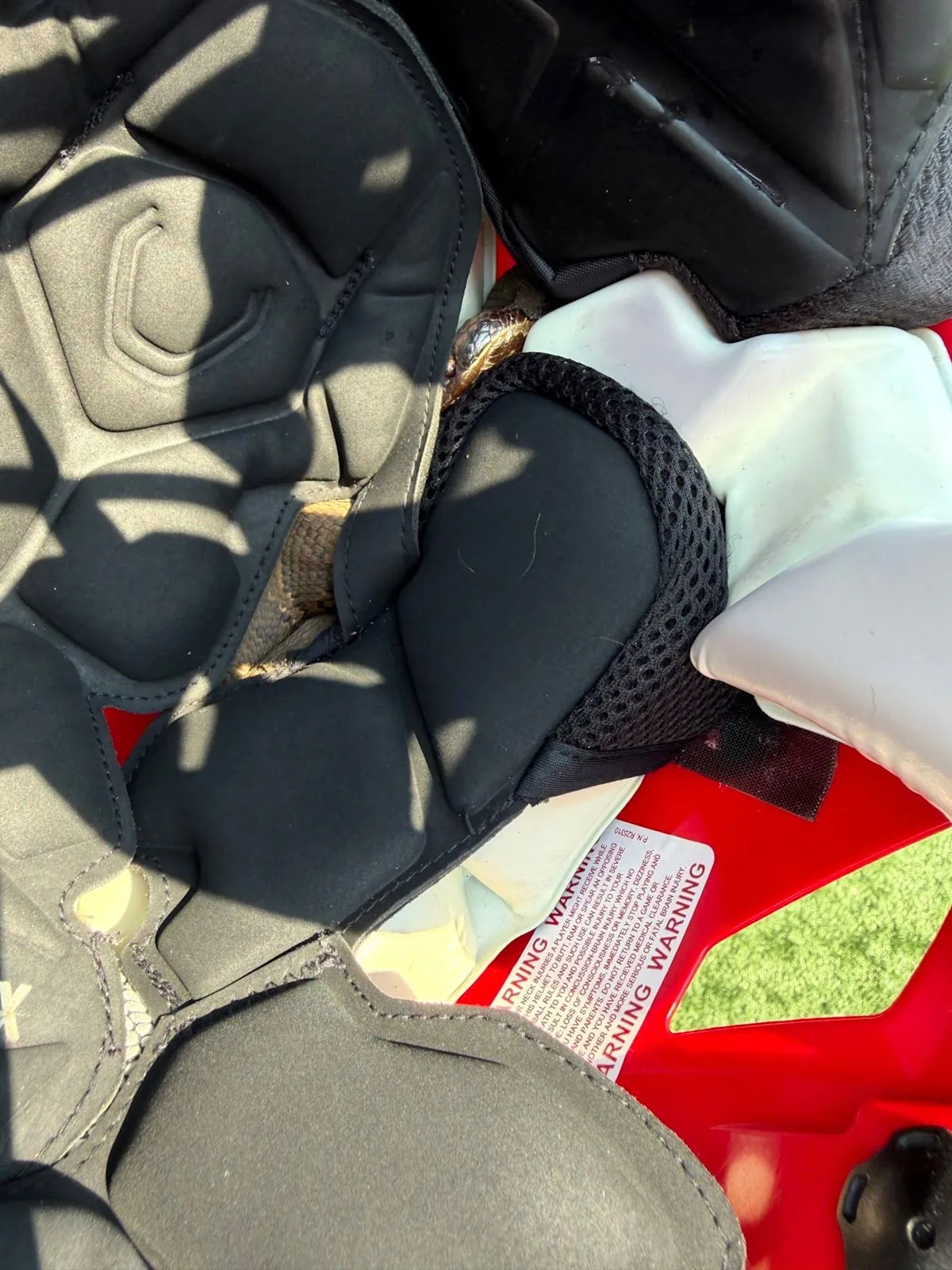
MAUMELLE, AR — A venomous cottonmouth was found curled inside a Maumelle High School football helmet after a player had reportedly worn it for about an hour. Animal services officers removed the snake, which was later released elsewhere, according to city officials.
At a glance
- Animal: Cottonmouth snake, a venomous species also known as a water moccasin.
- Where: Maumelle High School in Maumelle, Arkansas.
- When: Last Thursday, according to Maumelle animal services.
- What happened: A snake was found inside the padding of a football helmet after being reported as a copperhead at first.
- Status: Animal services removed the snake and later released it elsewhere.
- Anyone hurt: No injuries were reported.
What happened
Chris Davis, director of animal services for Maumelle, said the department got a call from the high school after a snake was discovered in a football helmet. Amy Eoff, the lead animal control officer, said the snake was reported to have been inside the helmet while it was being worn.
Davis said two officers responded and confirmed the snake was wedged in the helmet padding. Animal services initially believed it was a copperhead, but after examining it, they identified it as a cottonmouth.
When the helmet was taken to the shelter, officers found that their tools could not pull the snake free. Eoff said the team placed the helmet in water and waited until the snake came out for air, then removed it.
The cottonmouth was still alive after the rescue and was later released elsewhere. Eoff told ABC News that snakes can curl up in objects left outside and urged people to be cautious about what they pick up or wear without checking first.
About the animal
Cottonmouths are venomous pit vipers found in the southeastern United States. They are thick-bodied snakes with dark, banded or blotched coloring that can look similar to other pit vipers at a glance. Adults are generally medium to large snakes, and their heavy build makes them easy to recognize up close.
They are usually associated with water, wetlands, ditches, and damp wooded areas. Cottonmouths eat fish, frogs, small mammals, birds, and other small animals. Like most snakes, they prefer to avoid people and will usually hold still, retreat, or flatten their bodies when threatened.
In Arkansas and much of the Deep South, cottonmouths are part of the native wildlife and are encountered outdoors from time to time. They can be dangerous if handled or cornered, but bites are often preventable when people leave them alone and give them space.
If you encounter one
If you see a snake in a yard, garage, shed, helmet, cooler, or other item, do not reach in or try to grab it. Back away slowly and keep children and pets away. If possible, close off the area and watch the snake from a safe distance until help arrives.
Never try to kill or pin down a venomous snake. That is when most bites happen. If someone is bitten, call 911 right away and get emergency medical help. Do not cut the wound, suck out venom, or use ice or a tourniquet unless medical professionals direct you to do so.
For removal, contact local animal control, a licensed wildlife remover, or the Arkansas Game and Fish Commission if appropriate in your area. Outside items that have been left on the ground should be checked before use, especially shoes, buckets, helmets, tools, and garden equipment.
What happens next
Maumelle animal services said the snake was removed and released elsewhere. No further action was described in the available information.
The Pulaski County Special School District has been contacted for more details, but officials have not publicly added anything further about the incident.
Spotted a dangerous animal where you live? Report it to your state wildlife agency or local animal control.