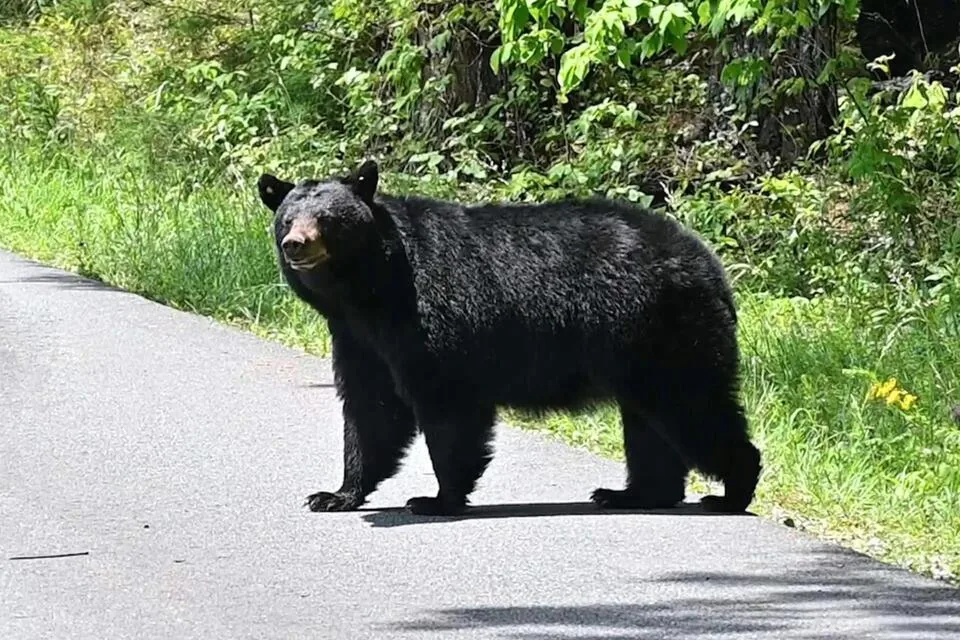
SNOHOMISH COUNTY, WA — Washington wildlife officials are looking for a black bear after a woman was attacked from behind in her Snohomish County backyard while walking her leashed dog. The Washington Department of Fish and Wildlife said the encounter was unprovoked. The woman was taken to a hospital with serious but non-life-threatening injuries.
At a glance
- Animal: Black bear
- Where: Near a residence in Snohomish County, Washington
- When: Morning of Oct. 25
- What happened: Officials say the bear came from behind, knocked the woman down, and bit and clawed her
- Status: Wildlife officers searched for the bear, set a trap, and planned added patrols
- Anyone hurt: Yes. The woman was hospitalized with serious but non-life-threatening injuries
What happened
According to the Washington Department of Fish and Wildlife, the woman was in her backyard walking her dog when the bear struck. She called authorities after getting back inside her home. Officials said the attack happened on the morning of Oct. 25 near a home in Snohomish County.
State wildlife officials described the attack as unprovoked and said the woman was not at fault. In their account to KOMO, a Washington Department of Fish and Wildlife spokesman said the bear knocked her down before biting and clawing her. Her injuries were described as serious but not life-threatening.
Authorities also searched the area after the woman escaped. The department said two other black bears were seen nearby, but it was not confirmed whether they were connected to the attack. Officials said the pair may have been a mother bear and cub.
The Washington Department of Fish and Wildlife said a search using dogs did not turn up the bear. The agency planned to increase patrols in the area and set a trap near the attack site as the search continued.
About the animal
Black bears are the most common bear species in North America. Adults are generally smaller than grizzly bears, though they can still be powerful animals. Their coats are usually black, but some can be brown, cinnamon, or even blond.
They are typically shy and prefer to avoid people. Black bears feed on a wide range of foods, including berries, nuts, insects, grasses, carrion, and sometimes garbage or pet food if it is left outdoors. They usually become more active when food is easy to find.
In Washington, black bears live in forested and mountain areas, and they can also move into neighborhoods near wildland edges. They usually do not seek out people, but they can become dangerous if startled, cornered, or attracted by food. Pets can also draw a bear’s attention if they are loose outside.
If you encounter one
Wildlife officials say people should keep their distance, make themselves look large, and speak in a firm, low voice. Carrying bear spray is recommended in areas where bears are present. If a bear sees you, back away slowly and keep watching it without locking eyes in a threatening way.
Do not run from a bear. Running can trigger a chase response. People should also avoid turning their backs, feeding bears, or getting between an adult bear and cubs. Children should be brought inside quickly, and pets should be leashed or taken indoors if a bear is nearby.
If a bear is lingering near homes, residents should contact local police, animal control, or the Washington Department of Fish and Wildlife. Food, garbage, bird feeders, and pet food should be secured so the animal is not rewarded for returning.
What happens next
The Washington Department of Fish and Wildlife said it was continuing efforts to find the bear and had placed a trap near the attack site. The Sultan Police Department also warned residents to stay indoors if they saw the bear or a cub and not to approach or interact with the animals.
Lt. Erik Olson of the state wildlife police told KOMO that public safety was the agency’s main concern and that officers would try to capture the animal if possible after a human attack.
Spotted a dangerous animal where you live? Report it to your state wildlife agency or local animal control.