CRYSTAL, NM — A bear broke into a home in Crystal River, New Mexico, and fatally mauled a 67-year-old man, according to Navajo Nation officials. Wildlife authorities later neutralized the bear. Family members said the attack happened while the man’s stepson was away from the house.
At a glance
- Animal: A bear, identified by Navajo Nation officials as the animal involved in the fatal attack.
- Where: Crystal River, in Crystal, New Mexico, on the Navajo Nation.
- When: Around 1 p.m. on Aug. 20.
- What happened: Officials said the bear entered Benjamin Halona’s home and attacked him inside.
- Status: Law enforcement neutralized the bear after the attack.
- Anyone hurt: Benjamin Halona died from his injuries.
What happened
The Navajo Nation Department of Fish and Wildlife said the bear got into Benjamin Halona’s home in the Crystal River area shortly after 1 p.m. on Aug. 20. Family members later described finding the door open and the bear still inside when they came back to the house.
According to Halona’s sister, Gloria Halona, his stepson Casey had left for the post office. When Casey returned, he found the bear in the home, barricaded himself in a room, climbed into a crawlspace and called for help.
Gloria Halona and Benjamin’s niece, Samantha Vandever, drove to the home after receiving the call. Family members said they saw the bear outside and honked their vehicle to drive it away before going inside, where they found what they called a horrific scene.
Officials said Halona died from his injuries. Law enforcement later neutralized the bear. His funeral services were held Aug. 29, and family members said he was survived by two siblings, four children, five stepchildren, 15 grandchildren and one great-grandchild.
About the animal
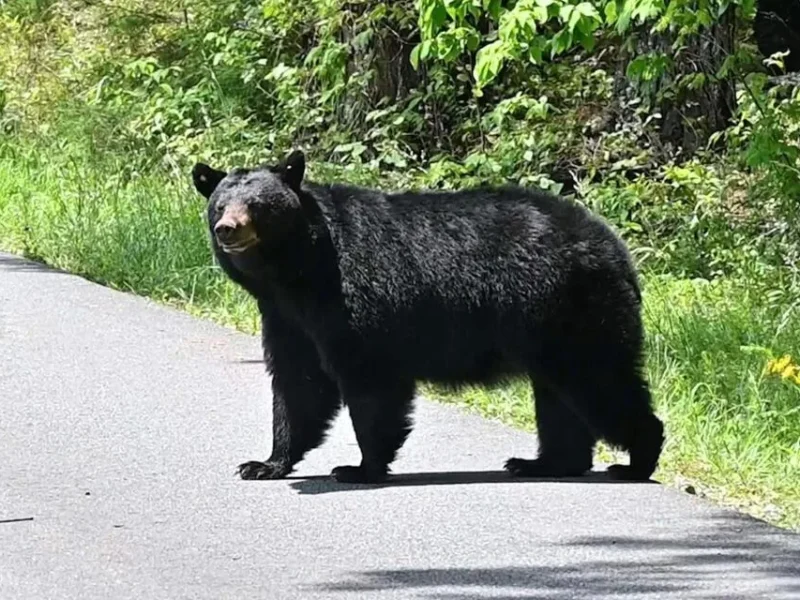
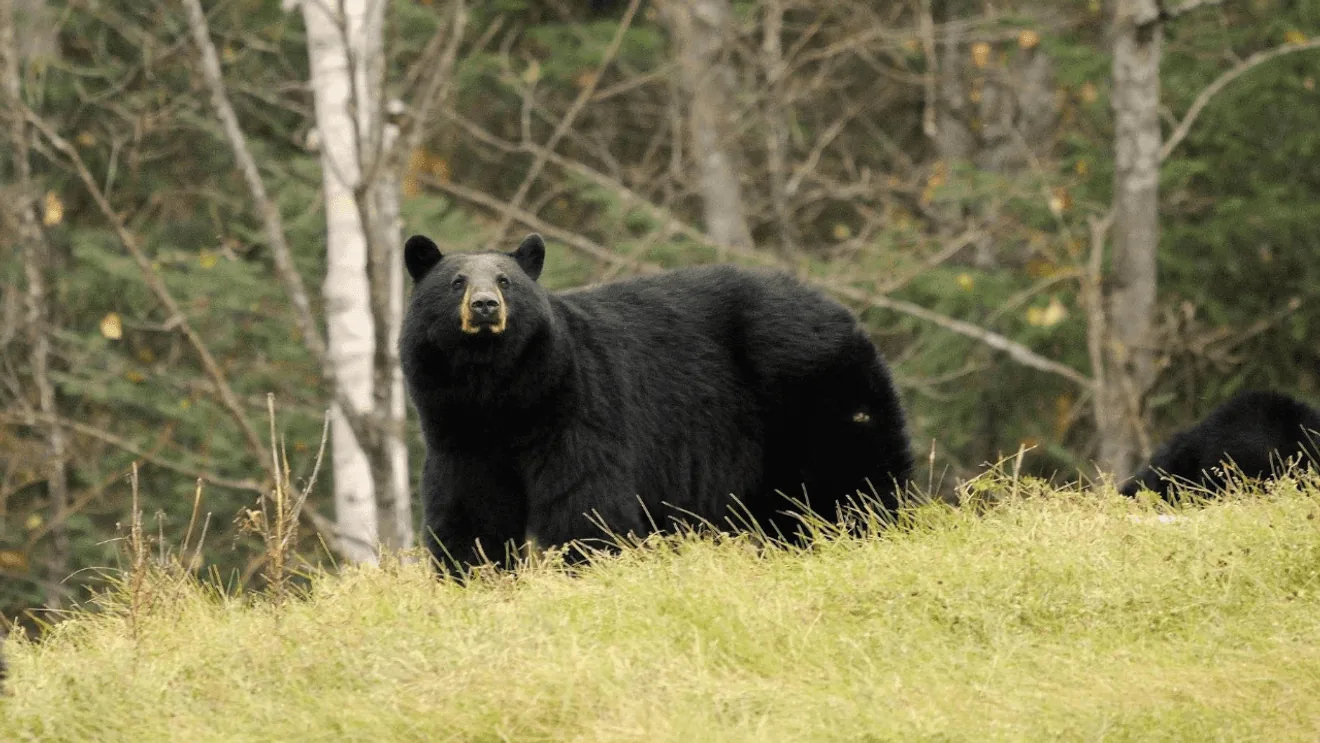
Bears in the Southwest are usually black bears, the species most often seen near homes and roads in many parts of New Mexico. Adult black bears can vary widely in size, but they are typically large, powerful animals with shaggy fur, a straight profile and short ears.
Black bears are omnivores. They eat berries, nuts, insects, carrion and whatever seasonal food they can find, and they often spend more time foraging when natural food is scarce. In late summer and fall, they may travel farther as they build fat reserves for winter.
Bears are not rare in New Mexico, especially in wooded and mountainous areas, but they usually try to avoid people. Problems tend to rise when bears find unsecured food, garbage, pet food or other attractants near homes. A bear that becomes comfortable around people can quickly become dangerous.
If you encounter one
If you see a bear near a home or while walking, give it space and back away slowly. Keep children close and bring pets inside right away. Do not run, turn your back or approach the animal for photos or to scare it off.
Wildlife officials generally advise securing trash, removing pet food from porches and keeping doors and windows locked. Feeders, coolers, outdoor grills and fallen fruit can also draw bears into neighborhoods. If a bear is behaving aggressively or entering buildings, call local law enforcement or the state wildlife agency immediately.
If a bear does enter a home or yard, do not try to confront it. Leave the area if you can do so safely and let trained responders handle the situation. People who live in bear country should treat repeated sightings as a warning sign and report them quickly before an animal loses its fear of people.
What happens next
Navajo Nation officials linked the rise in bear sightings to drought and low moisture, which can reduce natural food sources and push bears toward homes as they search for food before hibernation.
Family members said Halona’s death came during a time when bears were being seen more often in the area. Officials have not said whether any additional public warning was issued after the attack, but the bear involved was already neutralized.
Spotted a dangerous animal where you live? Report it to your state wildlife agency or local animal control.