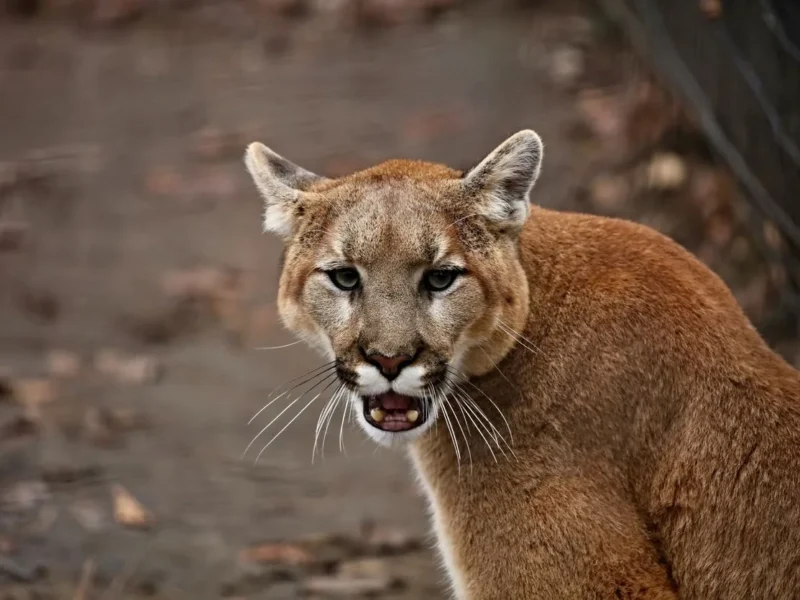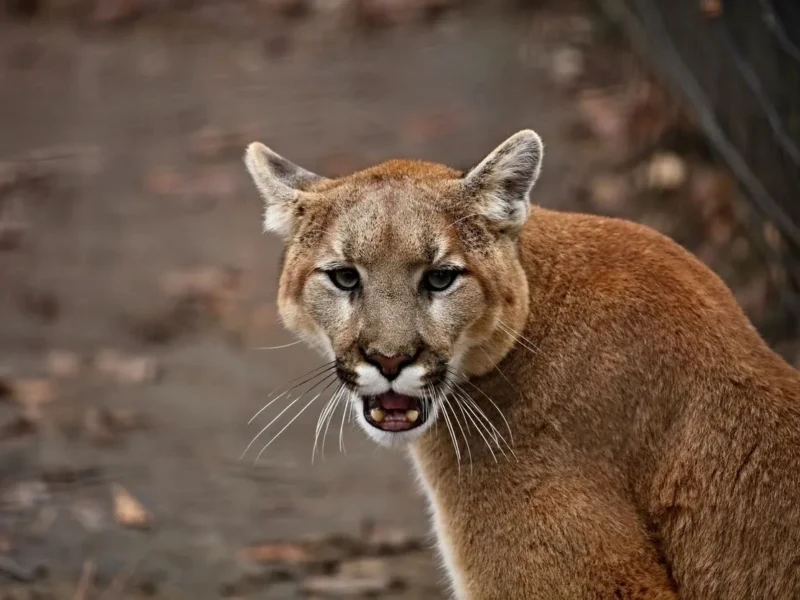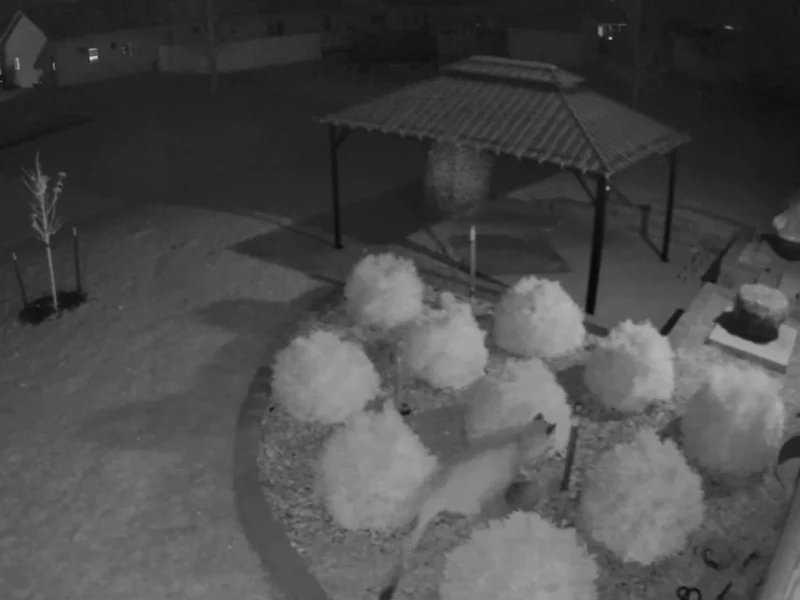
SAN FRANCISCO, CA — A mountain lion that turned up in San Francisco’s Outer Sunset was tranquilized, captured and later released after a coordinated response involving animal control officers, state wildlife officials and San Francisco Zoo staff. The juvenile male had been seen near 44th Avenue and Ulloa Street, prompting road closures and an hours-long effort to find it.
At a glance
- Animal: A juvenile male mountain lion, also called a cougar or puma
- Where: Near 44th Avenue and Ulloa Street in San Francisco’s Outer Sunset neighborhood
- When: Spotted around 8 a.m. Wednesday and captured Friday morning
- What happened: Officers tracked the animal, darted it with a tranquilizer and moved it safely out of the neighborhood
- Status: It was fitted with a GPS collar and released back into the wild
- Anyone hurt: No injuries were reported
What happened
Residents first noticed the cat near 44th Avenue and Ulloa Street on Wednesday morning. One neighbor, Alex Grant, told KTVU that he woke to a burst of crowing birds, then saw police arrive after the animal was found hiding behind a bush.
Grant said the mountain lion ran in front of his house before officers were able to dart it. Another witness, Carson Ryan, said police yelled for people to clear the intersection while crews worked to keep the public back from the animal.
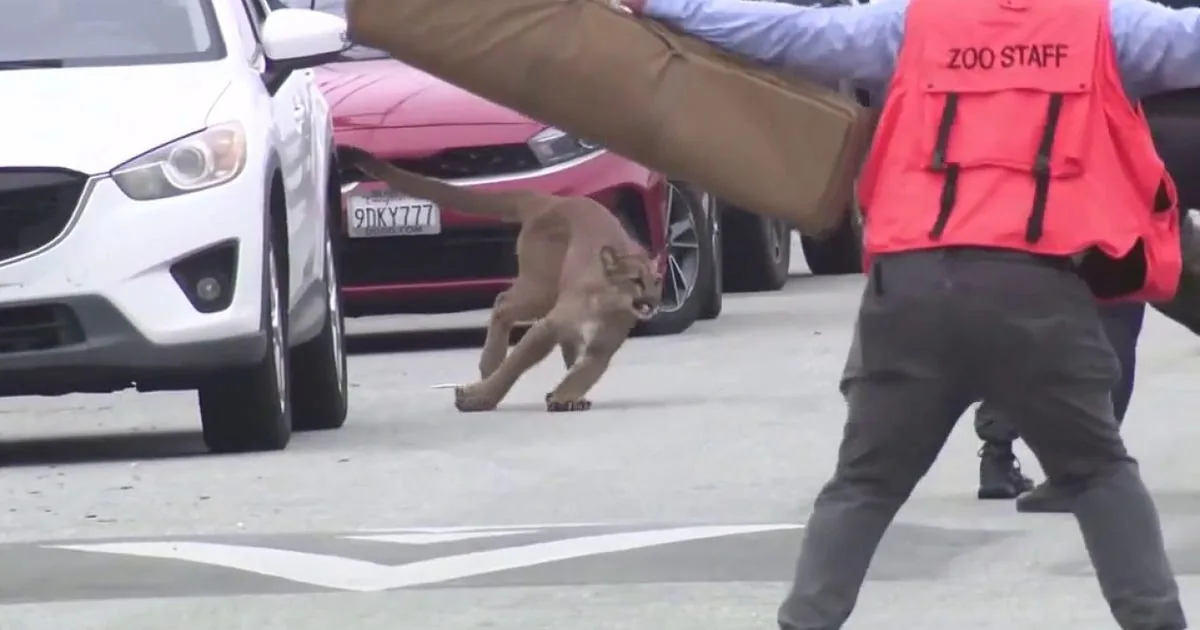
First responders closed 44th Avenue between Ulloa and Vicente streets while they searched for the mountain lion. San Francisco Animal Care and Control worked with officers from the California Department of Fish and Wildlife and staff from the San Francisco Zoo to safely tranquilize and remove it.
After a dart took effect, the animal briefly ran into the street before responders blocked its path and waited for the drugs to work. Once it was subdued, experts determined it was a juvenile male weighing about 78 pounds.
About the animal
Mountain lions are the largest wild cats in California. Adults are powerful, long-tailed animals with tan or tawny coats, rounded ears and a lean build made for stalking and short bursts of speed.
They usually hunt deer, but they will also take smaller animals when available. They are solitary and tend to avoid people, spending much of their time in foothills, open spaces and other areas with cover and prey.
In the Bay Area, mountain lions are uncommon in city streets but not unheard of at the edges of neighborhoods that border wild habitat. Wildlife experts say the animals generally fear people, and most try to move away rather than confront them.
If you encounter one
If you see a mountain lion, experts say to stay calm, face the animal and make yourself look larger. Speak loudly, wave your arms and back away slowly while leaving it a clear route to leave.
Do not run, crouch or turn your back on the animal. Keep children close, pick up small pets if you can do so safely, and avoid bending down or making sudden movements that could trigger a chase response.
If the animal does not leave, or if it is acting aggressively or appears injured, call local animal control or the California Department of Fish and Wildlife right away. On trails and in neighborhoods near open space, stay alert around dawn and dusk, when big cats are often most active.
What happens next
After the capture, the mountain lion was fitted with a GPS tracking collar as part of the Puma Project’s research efforts and released back into the wild. Officials said the collar will help track the animal if it is seen again.
There have been several recent mountain lion sightings around the region, including one near the Golden Gate Park panhandle earlier this month and another in January near California and Octavia streets, where a cornered, already-tagged mountain lion was also released after being collected.
Spotted a dangerous animal where you live? Report it to your state wildlife agency or local animal control.