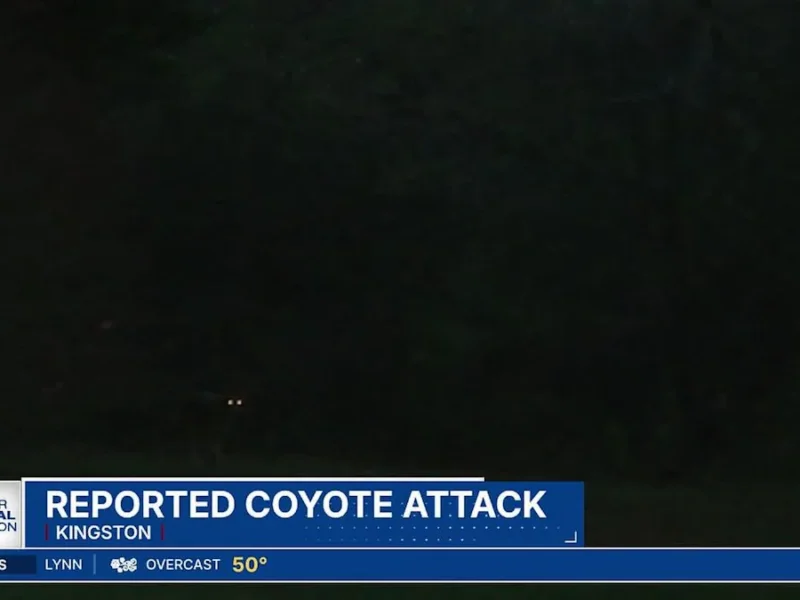
KINGSTON, MA — Kingston animal control is warning residents to be alert after a reported coyote attack near Hillcrest Road by the Jones River. Officials say the aggressive animal attacked a person in the area this week, prompting reminders about leash use, awareness and caution around dawn and dusk.
At a glance
- Animal: Coyote
- Where: Near Hillcrest Road by the Jones River in Kingston, Massachusetts
- When: This week
- What happened: Officials said a coyote reportedly attacked a person walking in the area
- Status: Kingston Animal Control and Shelter are warning residents to stay alert
- Anyone hurt: No injuries were described in the warning
What happened
Officials said the reported attack happened near Hillcrest Road by the Jones River in Kingston this week. The warning from Kingston Animal Control and Shelter came after the coyote was described as aggressive.
People who live nearby said the news has made them more cautious. Larry, who lives about a mile from the area, said he is worried about seeing a pack of coyotes. Susan, who runs in the neighborhood, said the report makes her think twice about going out alone.
Animal Control is telling residents to stay aware of their surroundings and keep dogs on a leash. The agency also highlighted the time of day, urging extra care around dawn and dusk, when coyotes are often more active.
One Kingston resident, Brian, said people should make themselves look bigger and yell if they see a coyote. That advice matches standard wildlife guidance meant to discourage an animal from approaching closer.
About the animal
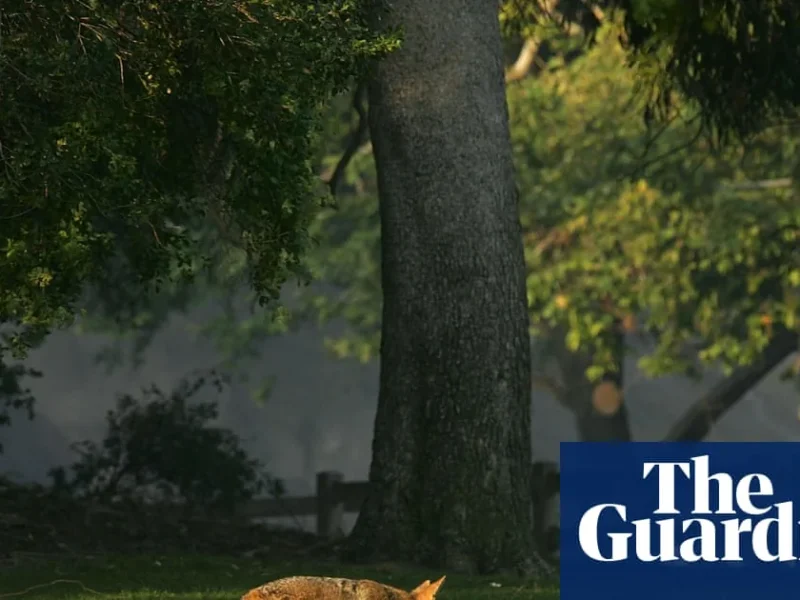
Coyotes are medium-sized wild canines with pointed ears, narrow muzzles and bushy tails. Adults are usually smaller than wolves and larger than foxes, with coats that can range from grayish-brown to tan.
They are adaptable animals that live in woods, fields, suburbs and city edges. Coyotes eat rodents, rabbits, fruit, insects and other small animals, and they may also take pet food or unsecured garbage if it is available.
Coyotes are common across much of the United States, including many neighborhoods where people live close to green space or river corridors. Most do not bother people, but bold behavior can happen, especially if an animal has been fed or has lost its fear of humans.
If you encounter one
Wildlife agencies generally advise people to stand tall, make noise and back away slowly if a coyote does not leave on its own. Waving your arms, clapping or yelling can help drive it off, but do not turn and run.
Keep children close and pets on a short leash, especially near wooded areas, trails and waterways. Never feed a coyote or leave pet food, trash or bird seed where animals can reach it, since easy food can draw them into neighborhoods.
If a coyote acts unusually bold, follows people, or tries to approach pets, contact local animal control or the state wildlife agency. In an emergency or if someone is bitten or injured, call 911 right away.
What happens next
Kingston animal control has not announced a capture or relocation in connection with the reported attack. For now, the agency is focused on warning residents and reinforcing basic safety steps.
Anyone who sees an aggressive or unusually fearless coyote should report the sighting to local animal control so officials can track the animal and decide whether further action is needed.
Spotted a dangerous animal where you live? Report it to your state wildlife agency or local animal control.