LOS ANGELES, CA — A coyote that had bitten a 16-month-old child in Atwater Village survived an initial shooting by state wildlife officers and later turned up again in the neighborhood with an apparent limp. California Department of Fish and Wildlife officials said they returned Tuesday and euthanized the animal because it still posed a public safety threat.
At a glance
- Animal: Coyote
- Where: Atwater Village neighborhood of Los Angeles, near the 3300 block of Glenhurst Avenue
- When: Initial shooting on Oct. 16; officials returned Tuesday after new reports it was alive
- What happened: Wildlife officers shot the coyote after it bit a toddler, believed it had died, then found it alive and later euthanized it
- Status: The coyote has been killed by California Department of Fish and Wildlife and USDA officers
- Anyone hurt: A 16-month-old child was bitten last month; no other injuries were reported in the neighborhood response
What happened
California Department of Fish and Wildlife said officers responded after reports that the same coyote was still alive despite being shot earlier this month. The animal had been linked by DNA evidence to the attack on a toddler, officials said, after residents had complained about it for months.
Officers had shot the coyote near the 3300 block of Glenhurst Avenue on Oct. 16, but they could not find its body. A K9 search also failed to locate it, and the agency later said officers believed the animal had died based on what they saw at the scene.
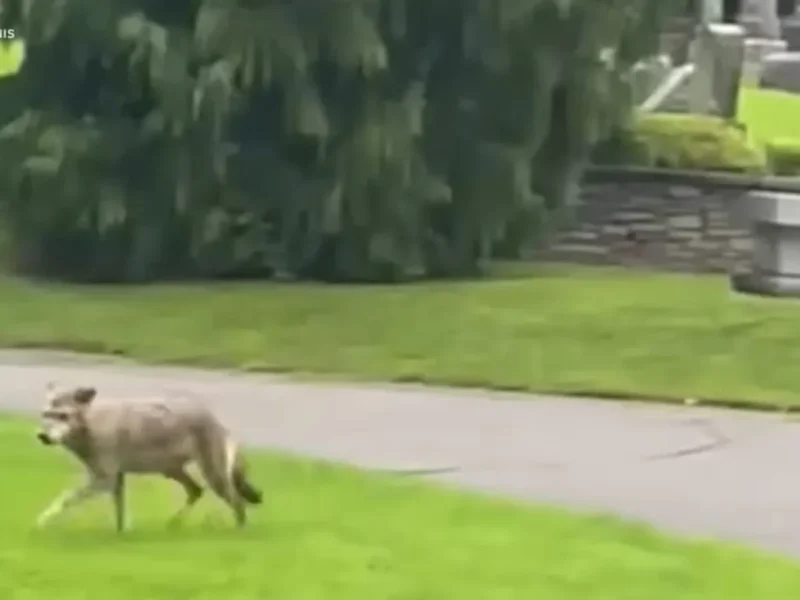
Neighbors were surprised when the coyote later reappeared in yards and in the street. Residents said it seemed injured and was limping, and one neighbor, Rich Dean, told the Los Angeles Times that he kept sending wildlife officers videos and updates about where it was being seen.
Dean said he told a lieutenant on Monday that the coyote was in a crawlspace at a construction site. On Tuesday morning, officers found it and euthanized it, the agency said, describing the animal as a continued public safety threat.
About the animal
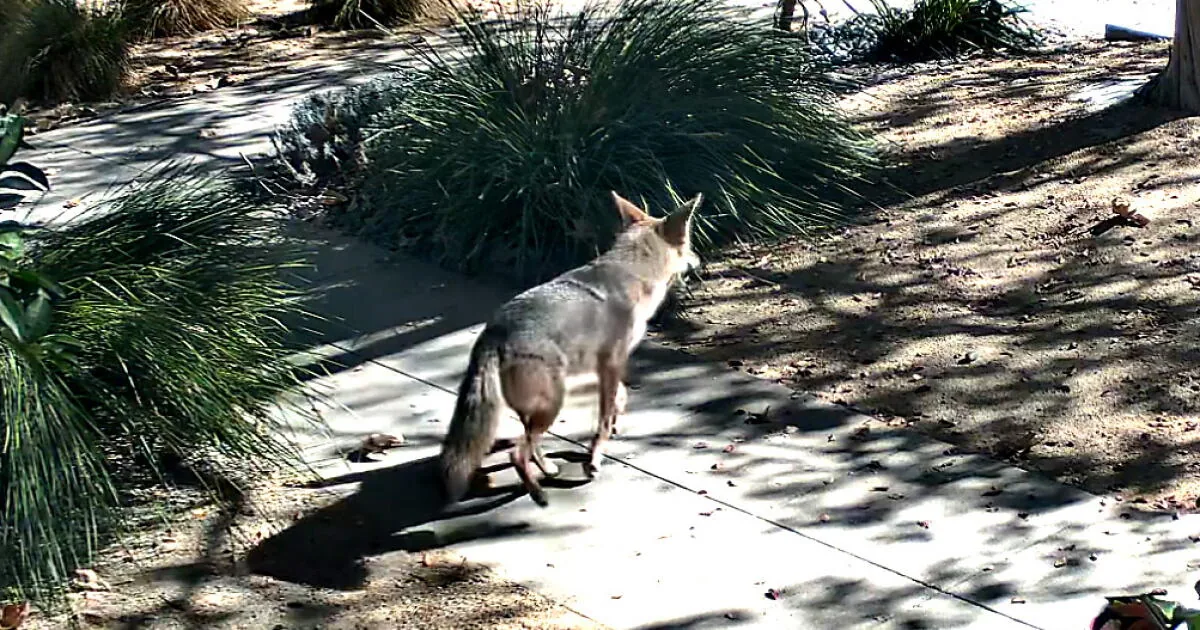
Coyotes are medium-sized wild canines with pointed ears, a narrow muzzle and a bushy tail. Adults are usually smaller than wolves and larger than foxes, and they can adapt to neighborhoods, parks and open spaces. Their coloring often ranges from grayish brown to tan.
In the wild, coyotes eat a wide variety of food. They hunt rodents, rabbits and other small animals, but they also eat fruit, insects and carrion. In urban areas, they may take advantage of pet food, unsecured trash and outdoor feeding sources, which can bring them closer to homes.
Coyotes are common in much of Southern California, including Los Angeles neighborhoods, where they often move through canyons, vacant lots and residential streets. They do not usually seek out people, but problems can develop when they lose fear of humans, are fed, or become accustomed to finding food near homes.
If you encounter one
Wildlife agencies generally advise people to keep their distance, stand tall and make noise if a coyote approaches. Do not run, crouch or try to feed the animal. Back away slowly while keeping your eyes on it, and bring children close to you immediately.
Pets should be kept on leash and close to home, especially at dawn and dusk when coyotes are often active. Small pets should not be left outside unattended. Outdoor food, bird seed, fallen fruit and unsecured trash can also attract wildlife and should be removed or stored properly.
If a coyote behaves aggressively, appears sick or keeps returning to a neighborhood, residents should contact local animal control or the California Department of Fish and Wildlife. People should not try to trap, shoot or corner the animal themselves.
What happens next
California wildlife officials said the coyote was humanely euthanized after it was found alive again in the area. The agency also said the animal had been tied to the toddler bite through DNA testing.
Residents in the neighborhood have continued discussing how to prevent future problems, including concerns about anyone feeding coyotes and whether agencies responded quickly enough to earlier reports.
Spotted a dangerous animal where you live? Report it to your state wildlife agency or local animal control.