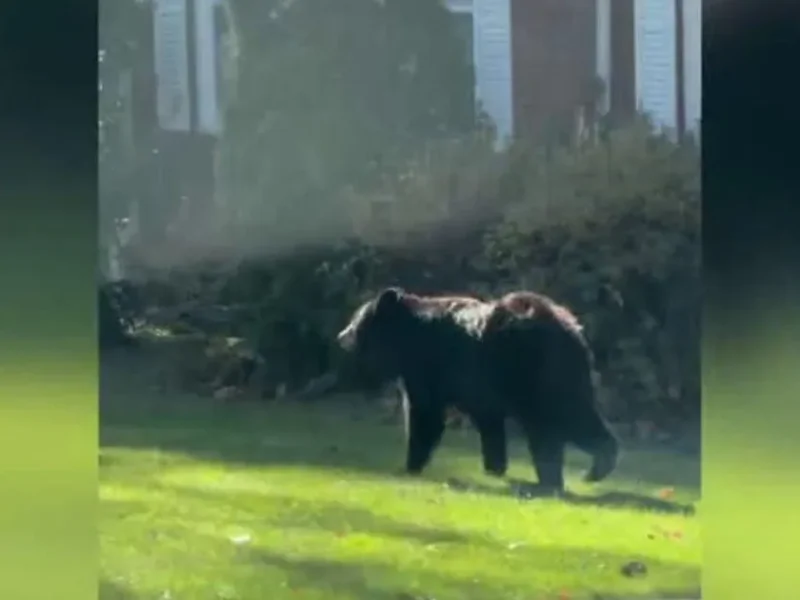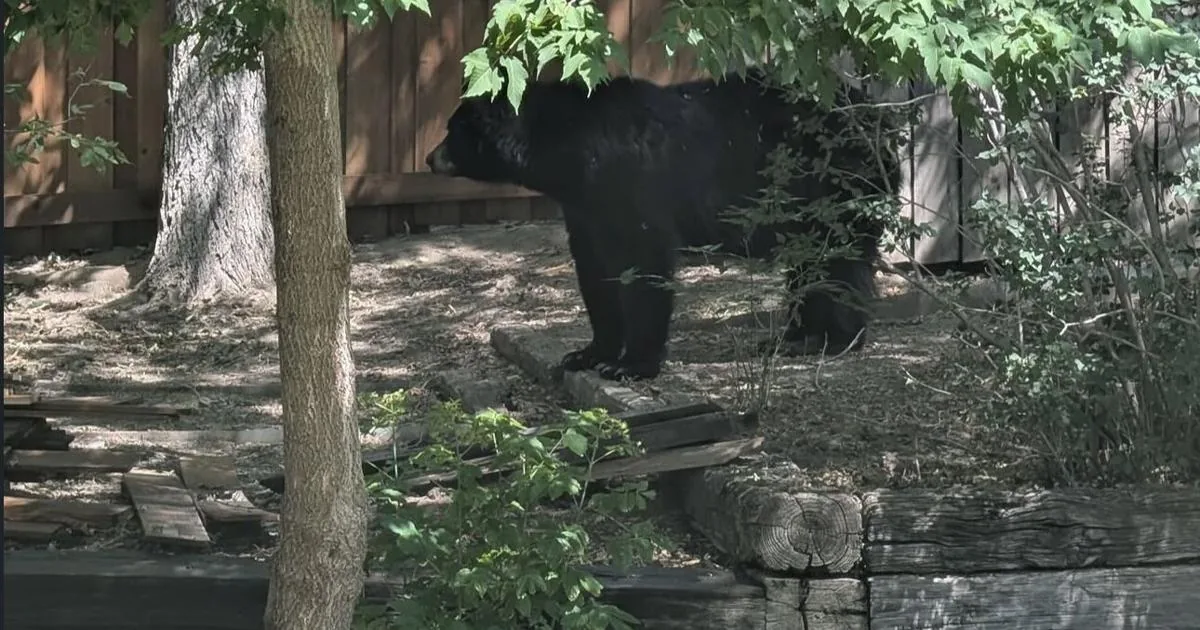
ARVADA, CO — A black bear was spotted in Arvada early Aug. 12 near Carr Street and later the same day at Majestic View Nature Center. Police said the animal has not been seen since, and officers believe it likely returned to its natural habitat.
At a glance
- Animal: Black bear
- Where: 6400 block of Carr Street and Majestic View Nature Center in Arvada
- When: Early Aug. 12, with a second sighting later that day
- What happened: Police said the bear was seen moving through town while looking for food and water
- Status: It has not been seen again and is believed to have gone back to its natural habitat
- Anyone hurt: No injuries were reported
What happened
Arvada police said the first sighting came early Aug. 12 on the 6400 block of Carr Street. Later that day, the same bear was seen again at Majestic View Nature Center.
Police Public Information Officer Dave Snelling said drought conditions have been driving bears into town in search of food and water. He said it is difficult to measure year-to-year changes in bear activity, but the dry conditions can push the animals to roam farther.
Snelling said Colorado Parks and Wildlife describes black bears as having a wide range and noted that residents should not try to approach one. He said anyone who spots a bear should stay indoors and call dispatch so officers can monitor its location.
Authorities said the bear was not seen again after Aug. 12, which led them to believe it had moved back toward the western habitat where bears normally live.
About the animal
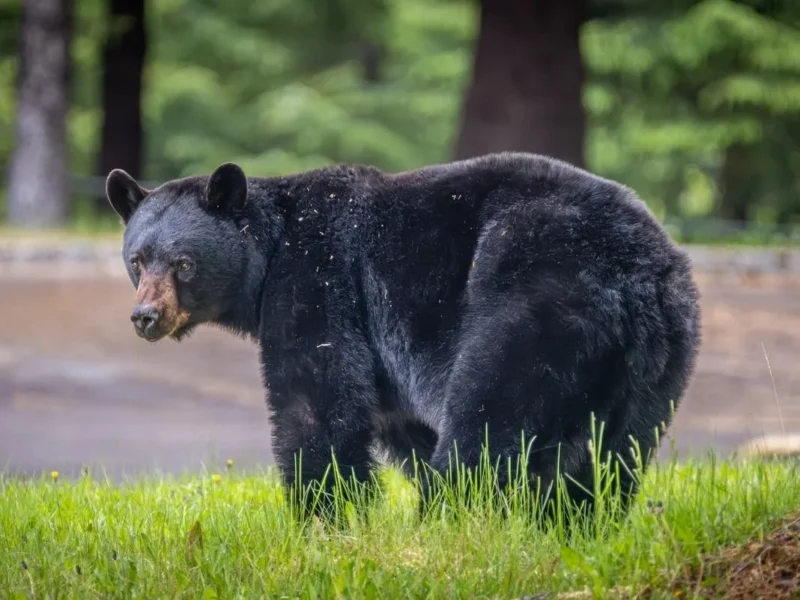
Black bears are the only bear species regularly found in Colorado. Adults can vary widely in size, but they are typically built with a stocky body, thick fur, and a short tail. Their color can range from black to brown or even cinnamon.
Despite the name, black bears are often not black. They are opportunistic omnivores, meaning they eat both plant and animal matter. In many places, much of their diet includes berries, acorns, insects, carrion, and human food that is left unsecured.
In Colorado, black bears are common in forested and foothill areas, and they may wander into neighborhoods when natural food is scarce. They usually avoid people, but they can become dangerous if they are surprised, cornered, or rewarded with food near homes.
If you encounter one
Wildlife officials advise people to keep their distance and never try to feed, follow, or photograph a bear at close range. If a bear is nearby, go indoors if you can, bring children and pets with you, and give the animal room to leave.
Do not run, climb a tree, or block the bear’s path. Back away slowly while facing the animal, and make yourself as small a target as possible without turning your back. If a bear approaches, use a loud voice and be ready to contact local dispatch or Colorado Parks and Wildlife.
Residents can reduce the chance of visits by securing trash, taking down bird feeders, cleaning grills, and removing other food sources from yards. Bear-resistant containers and locked storage can make neighborhoods less attractive to wildlife.
What happens next
Police said they typically do not share a bear’s exact location with the public until it has returned to its normal habitat, in part to avoid interfering with its movement.
Residents were also reminded that a bear considered a nuisance and repeatedly coming into contact with people can be handled under Colorado Parks and Wildlife policy, so reporting sightings promptly matters.
Spotted a dangerous animal where you live? Report it to your state wildlife agency or local animal control.