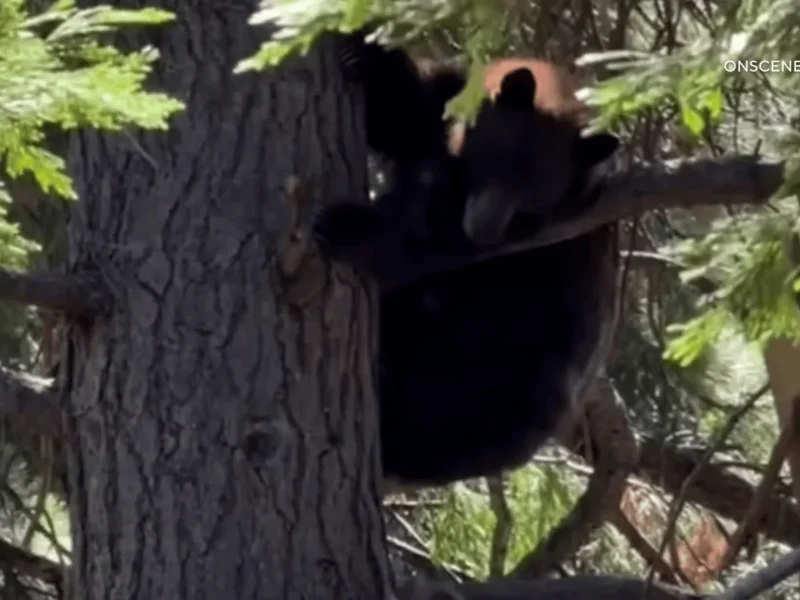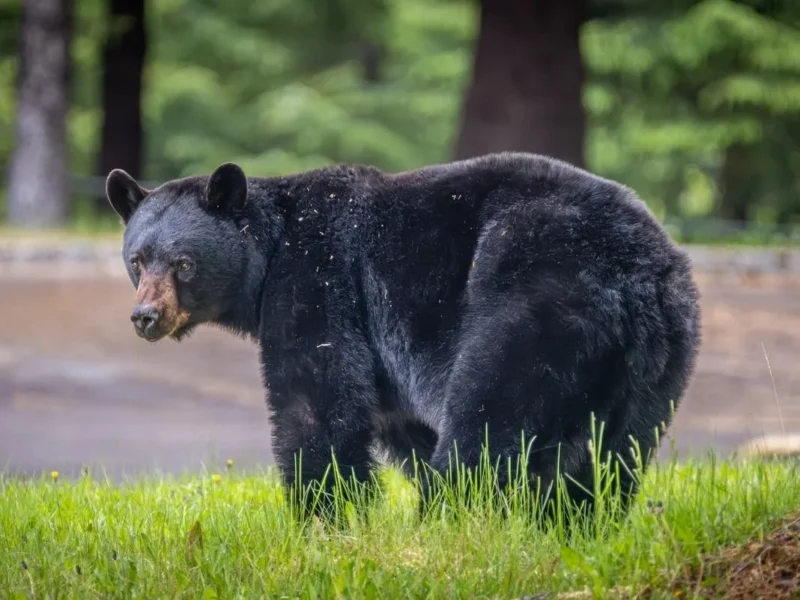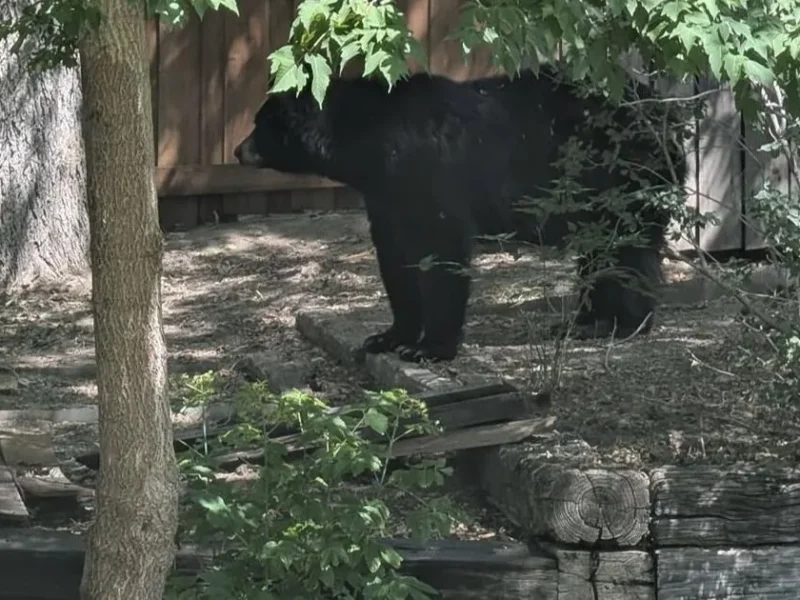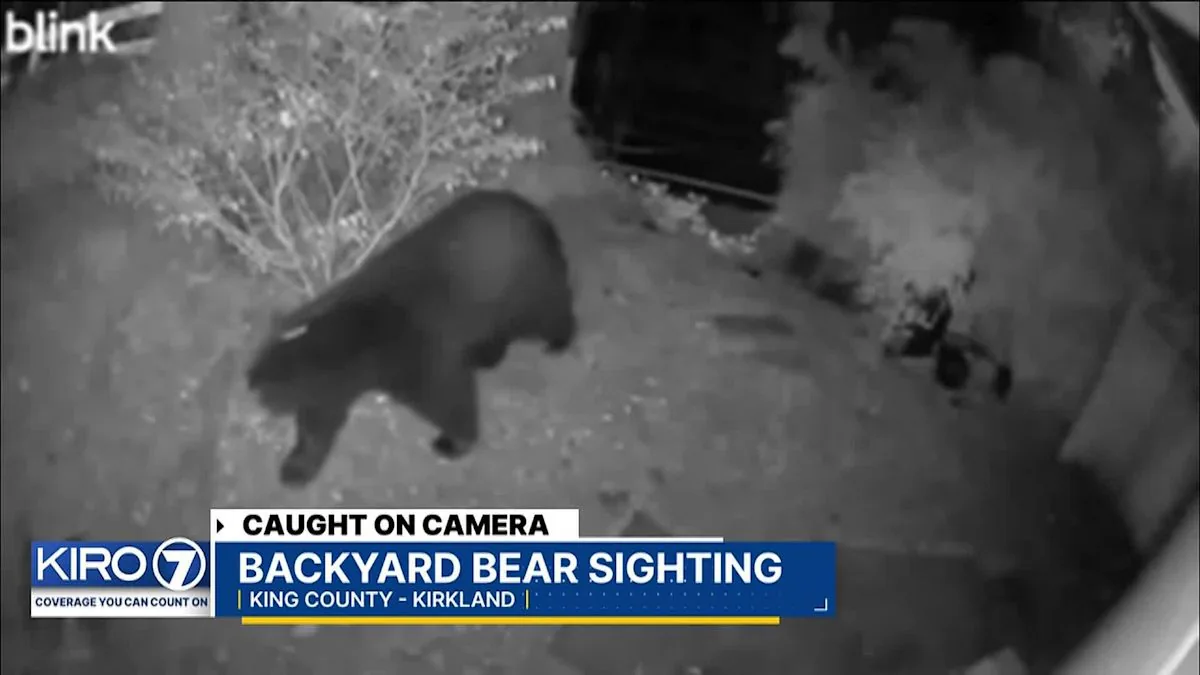
KIRKLAND, WA — A bear was spotted wandering through a homeowner’s backyard in Kirkland, prompting a reminder for people in the area to keep their distance from wildlife and secure anything that could attract the animal. Officials said the bear was no longer in the yard after the sighting.
At a glance
- Animal: Bear.
- Where: A homeowner’s backyard in Kirkland, Washington.
- When: The sighting was reported during the holiday week.
- What happened: The bear was seen moving around a residential property.
- Status: The bear was gone after the sighting.
- Anyone hurt: No injuries were reported.
What happened
The animal was seen in a neighborhood backyard, an encounter that can happen when bears move through developed areas in search of food. The sighting drew attention because it took place close to homes rather than in a wooded stretch far from people.
The brief account did not include any report of damage or aggression, and no one was reported hurt. In most bear encounters in suburban areas, officials urge residents to avoid approaching the animal and to give it room to leave on its own.
Wildlife managers commonly advise people to remove anything that might lure bears into yards, including pet food, unsecured trash and fallen fruit. Those steps can help reduce the chance that a bear returns to the same block or neighborhood.
Residents who see a bear should keep children and pets inside, stay calm and back away slowly. Running can trigger a chase response, while loud confrontation can make the animal feel cornered.
About the animal
Bears are large mammals with heavy bodies, strong shoulders and powerful claws. In the Pacific Northwest, most residential sightings involve black bears, which can range in color from black to brown or cinnamon and are generally much smaller than grizzly bears.
Black bears are opportunistic eaters. They feed on berries, insects, grasses, nuts, carrion and human food if it is easy to find. They are usually most active at dawn, dusk and night, especially in areas where food sources are available.
In Washington, bears are part of the natural landscape and are not unusual in wooded or suburban fringe areas. They typically avoid people, but any bear can become dangerous if surprised, fed, cornered or drawn repeatedly to homes by food odors.
If you encounter one
If a bear is nearby, do not run, scream or try to get a closer look. Move away slowly, make yourself appear larger if needed and give the animal a clear path to leave. Keep pets on a leash and bring children indoors right away.
Do not feed bears or leave food outside, including garbage, bird seed, pet food or grills with grease on them. Secure trash containers, clean up fallen fruit and close garage doors if food is stored inside. These steps can help prevent repeat visits.
If a bear stays in the area, acts aggressive or appears injured, contact local animal control or Washington wildlife officials for guidance. In an emergency or if someone is in immediate danger, call 911.
What happens next
No further details were provided about the bear’s direction of travel or whether wildlife officials planned any follow-up response. In many neighborhood sightings, the animal moves on after finding no food reward.
Residents are often asked to keep watch for signs of repeat activity and to report new sightings so officials can decide whether the bear needs additional attention.
Spotted a dangerous animal where you live? Report it to your state wildlife agency or local animal control.