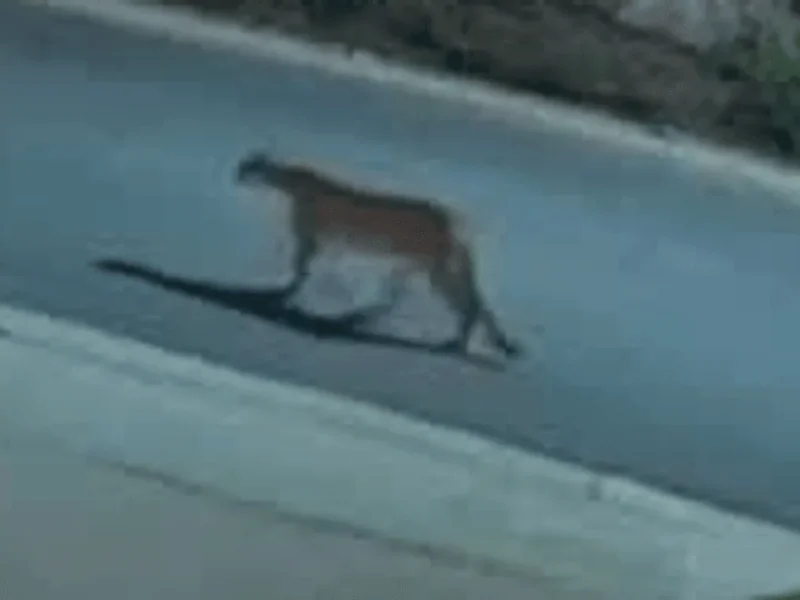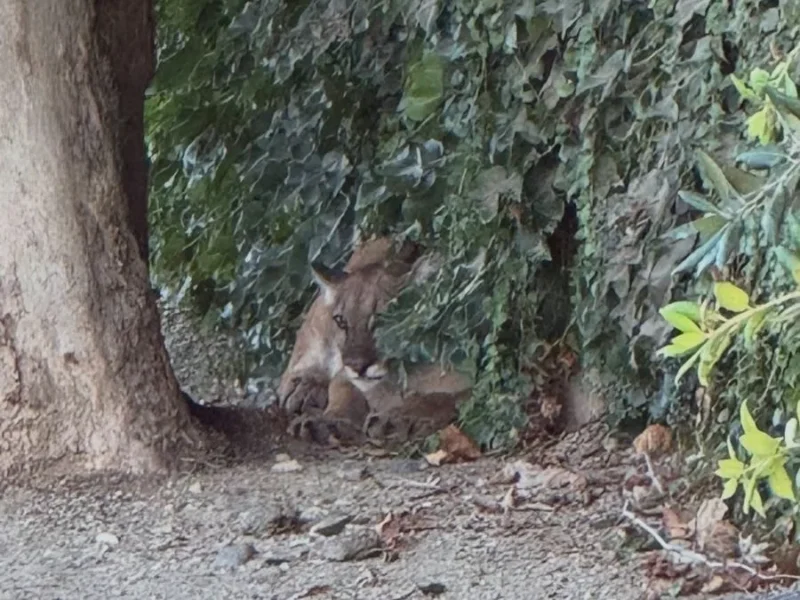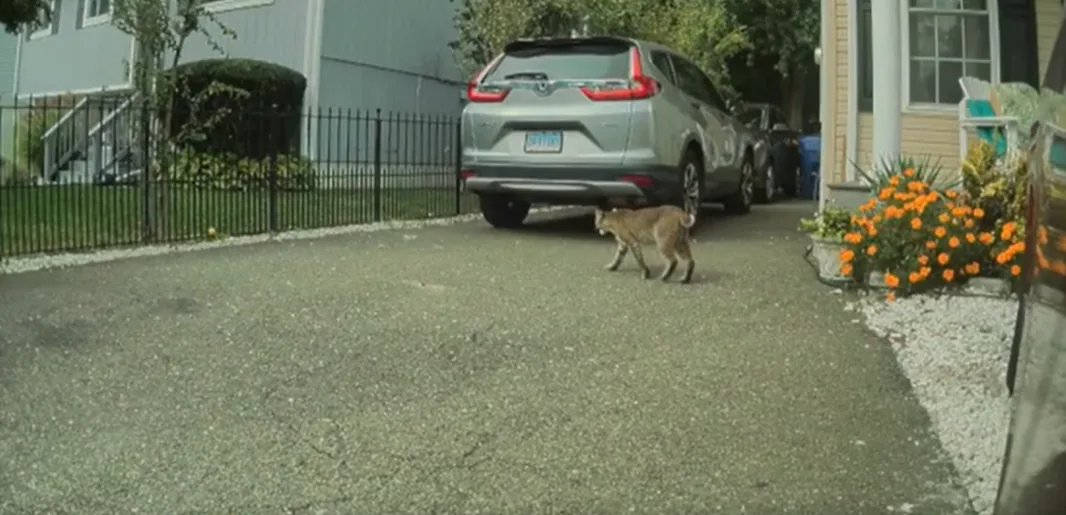
NORWALK, CT — A bobcat was caught on camera in front of a Norwalk home Thursday afternoon, drawing attention because the area includes a nearby school and residents with small pets. The animal walked across a driveway around 2 p.m., according to a viewer video shared with News 12.
At a glance
- Animal: Bobcat
- Where: In front of a residence in Norwalk, Connecticut
- When: Thursday around 2 p.m.
- What happened: A viewer video showed the animal walking across a driveway
- Status: The bobcat was seen moving through the area; locals were urged to report sightings
- Anyone hurt: No injuries were reported
What happened
The video showed the bobcat crossing the driveway in daylight. The sighting was reported from a home in Norwalk, where the viewer said there is a school nearby and that some residents keep small pets outside.
That combination raised concern among people who saw the clip, since bobcats can move through neighborhoods when looking for food or territory. The viewer urged people in the area to notify the Connecticut Department of Energy and Environmental Protection if they see the animal again.
No attack was reported, and there was no indication from the video that the bobcat approached anyone. The animal appeared to continue on its way after being recorded.
Wildlife officials generally advise residents to treat any bobcat sighting with caution, especially in places where children or pets may be outdoors. A quiet, hands-off response is usually the safest approach.
About the animal
Bobcats are medium-sized wild cats native to much of North America. They usually have short tails, tufted ears, spotted coats and a compact, muscular build that helps them move quickly through brush and wooded edges.
They are solitary hunters that feed mainly on rabbits, rodents, birds and other small animals. Bobcats are most active at dawn, dusk and nighttime, but they can also be seen in daylight, especially where habitat overlaps with neighborhoods.
In Connecticut, bobcats are established and are not unusual in wooded or suburban areas. They generally avoid people, and attacks on humans are rare, though pets left outside can be at risk if a wild cat feels cornered or is drawn by prey.
If you encounter one
Keep your distance and do not try to feed, chase or corner the animal. If you are outside, bring children and pets indoors right away and give the bobcat a clear escape route so it can leave on its own.
Experts advise making yourself look larger if the animal lingers, speaking firmly, and backing away slowly. Never run toward it, and do not turn your back if it is nearby. Leave the area and avoid placing food outside that could attract wildlife.
Residents should report repeated sightings or unusual behavior to the Connecticut Department of Energy and Environmental Protection or local animal control. If a pet is injured or you believe the animal is acting aggressively, contact authorities immediately.
What happens next
The viewer who captured the video said residents should report sightings to the state environmental agency. No further action was described in the video report.
For now, the main advice is awareness: people in the area should watch for the animal, keep pets close and avoid approaching any wild cat seen near homes, schools or play areas.
Spotted a dangerous animal where you live? Report it to your state wildlife agency or local animal control.