NEWTON, MA — A coyote attacked a 2-year-old near a home in Newton, and a nearby neighbor stepped in to help the child. Wildlife officials are warning families in the area to stay alert after the encounter.
At a glance
- Animal: Coyote
- Where: Near a home in Newton, Massachusetts
- When: The attack was reported during the week of Nov. 27, 2026
- What happened: A coyote attacked a 2-year-old child, and a neighbor intervened
- Status: Officials are warning residents to be cautious
- Anyone hurt: The toddler was attacked; no other injuries were reported
What happened
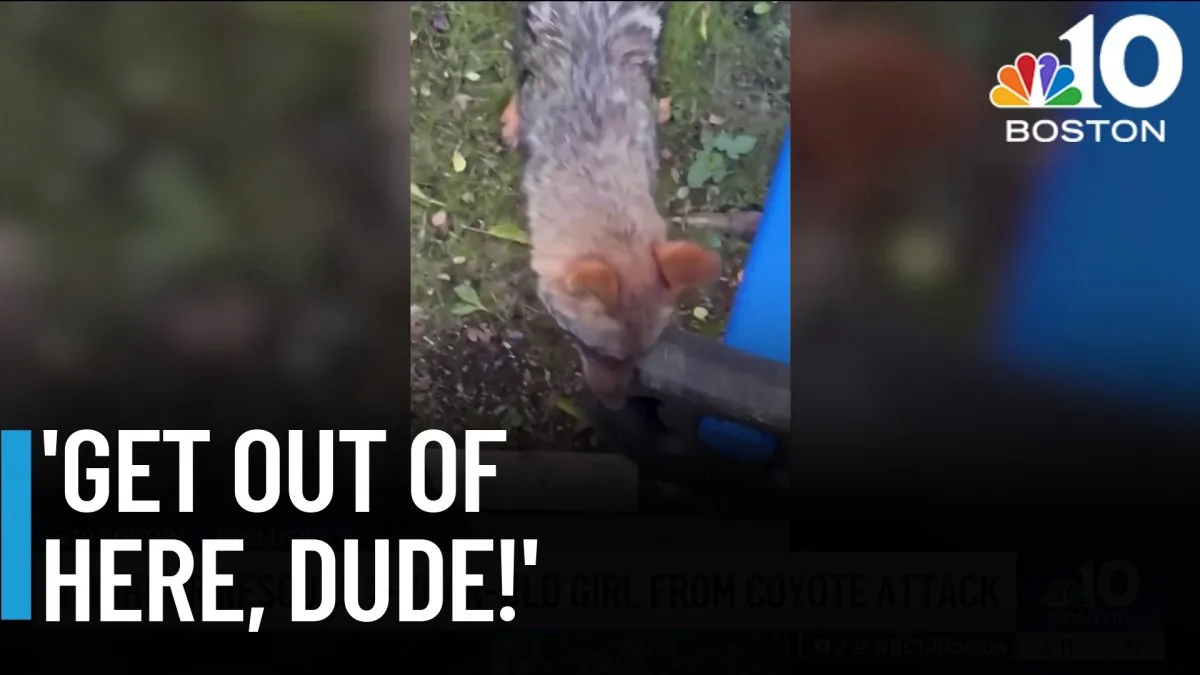
NBC Boston reported that the child was attacked by a coyote close to a residence in Newton. A neighbor stepped in during the incident and helped the toddler.
No detailed account of the sequence of events was included in the information released with the story, but the report made clear that the animal was a coyote and that the child was very young. Officials have advised residents to pay attention to wildlife in the area.
Encounters like this can happen when coyotes move through neighborhoods looking for food or become accustomed to people. Even when they seem to be behaving cautiously, wildlife officials say coyotes should be treated as wild animals and kept at a distance.
The incident has renewed attention to coyote safety around homes, especially for families with small children and pets. Local residents are being urged to stay aware while outdoors and to avoid leaving attractants that may draw wildlife into yards.
About the animal
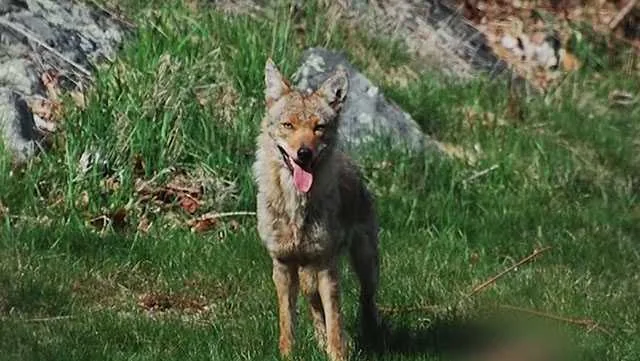
Coyotes are medium-sized members of the dog family, usually smaller than a wolf but larger than a fox. They have pointed ears, a narrow muzzle and a bushy tail, and their coats are often grayish-brown with lighter fur underneath.
They are adaptable animals that can live in forests, fields, suburbs and even city edges. Coyotes eat a wide range of food, including rodents, rabbits, insects, fruit and, when available, garbage or pet food left outside.
They are common across much of the United States, including many parts of New England. Most coyotes avoid people, but they can become bold if they find easy food or if pets and small children are left unattended.
If you encounter one
Wildlife experts say people should stop and make themselves look larger if a coyote gets too close. In many cases, loud noise, clapping and a firm voice can help scare it away.
Do not run, turn your back or try to feed the animal. Keep children close and pick up small pets if a coyote appears nearby. If the animal does not leave, back away slowly and get indoors or into a vehicle.
Residents should also reduce attractants by securing trash, bringing pet food inside and cleaning up fallen fruit or birdseed. If a coyote acts aggressively, local animal control or the Massachusetts Division of Fisheries and Wildlife should be contacted.
What happens next
The story did not say whether wildlife officials captured or relocated the coyote after the attack. Residents in the area are being warned to remain cautious and report any troubling sightings.
Families with young children should keep a close watch outdoors, especially at dawn and dusk when coyotes are often most active. Officials generally advise reporting repeated bold behavior so authorities can track whether an animal is becoming a continuing problem.
Spotted a dangerous animal where you live? Report it to your state wildlife agency or local animal control.