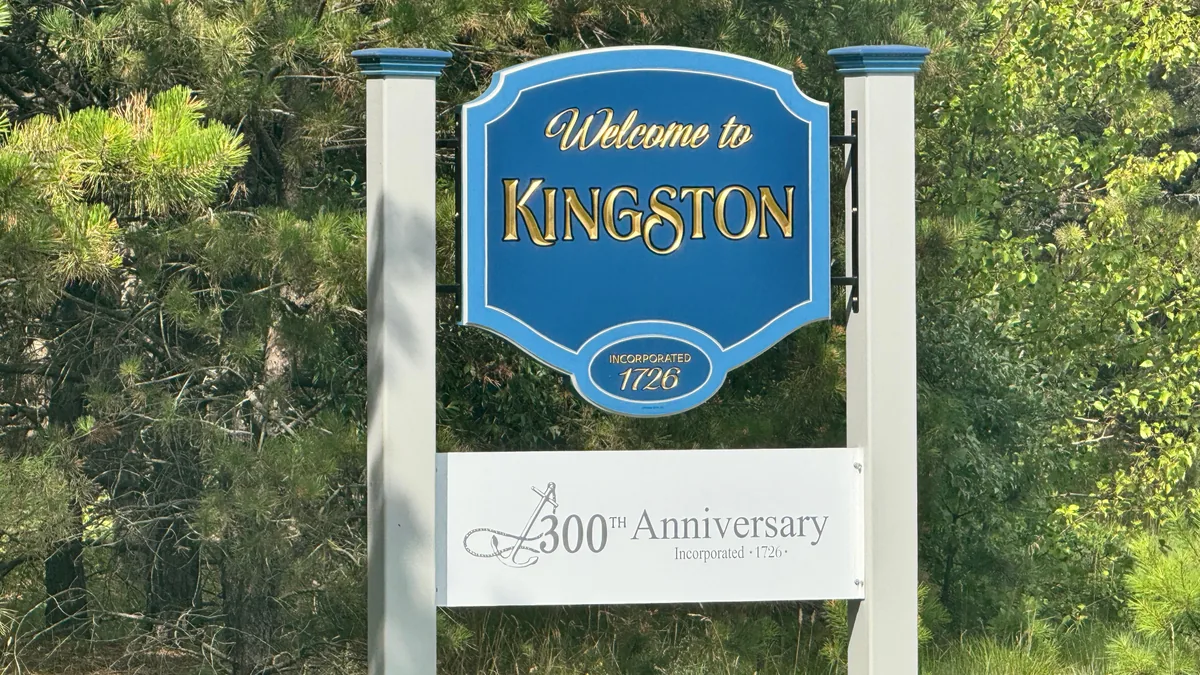
KINGSTON, MA — Kingston Animal Control and Shelter is warning residents to stay alert after a person was reportedly attacked by an aggressive coyote near Hillcrest Road by the Jones River. Officials are urging people to watch their surroundings, keep dogs leashed, and be extra careful around dawn and dusk.
At a glance
- Animal: A coyote reported as aggressive.
- Where: Near Hillcrest Road by the Jones River in Kingston, Massachusetts.
- When: This week.
- What happened: Officials said a coyote attacked a person walking in the area.
- Status: Kingston Animal Control and Shelter has warned residents to be alert.
- Anyone hurt: The warning did not include details on injuries.
What happened
Kingston officials said the reported attack happened near Hillcrest Road by the Jones River. The warning followed the incident this week, and residents in the area have been talking about the risk of seeing coyotes close to neighborhoods and walking routes.
People who live nearby said the report has made them more cautious. One resident, Larry, said he is worried about a pack of coyotes. Susan, another nearby resident who runs daily, said the episode makes her think twice about going out and has her considering carrying pepper spray or another form of protection.
Animal Control is reminding the public to remain aware of what is around them, especially in the early morning and evening hours when coyotes are often more active. Officials also said dog owners should keep pets on a leash when walking in areas where coyotes may be present.
One Kingston resident, Brian, said people should yell and charge at a coyote if they see one, describing the goal as making themselves appear larger and less vulnerable. Wildlife agencies often give similar advice for hazing coyotes that do not back away, but they also stress staying calm and avoiding unnecessary risks.
About the animal
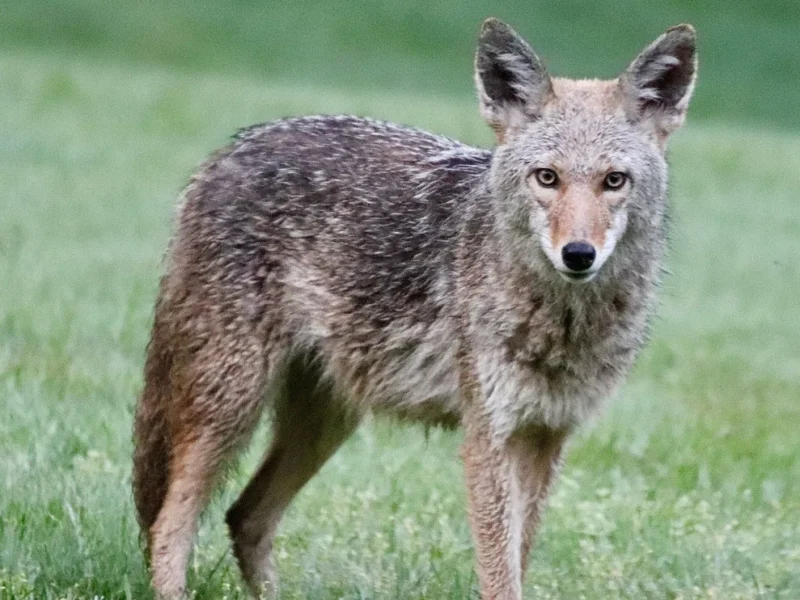
The coyote is a wild canine found across much of North America. Adults are usually smaller than wolves and larger than foxes, with pointed ears, a narrow face, and a bushy tail. Their coat can range from gray-brown to a more reddish mix, depending on the season and region.
Coyotes are adaptable animals that can live in forests, fields, suburbs, and even busy urban areas. They mostly eat small mammals such as rodents and rabbits, but they may also feed on fruit, insects, birds, or pet food if it is left outdoors. That flexibility is one reason they can live near people.
In many parts of the United States, coyotes are common and generally avoid people when they are not fed or cornered. Problems tend to rise when coyotes become used to human food, have access to pets, or lose their natural fear of people. Attacks on people are uncommon, but officials take any aggressive behavior seriously.
If you encounter one
If you see a coyote, experts generally advise keeping your distance and not turning away or running. Stand tall, make noise, wave your arms, and try to scare it off. Do not feed coyotes or leave food, pet food, or trash outside where it can attract them.
Keep dogs close and on a leash, especially at dawn, dusk, and after dark. Small pets should be supervised outdoors, and children should be taught to come inside if they spot wildlife nearby. Coyotes are more likely to approach if they believe pets or food are easy targets.
If a coyote acts boldly, follows people, or shows repeated aggressive behavior, contact local animal control or the state wildlife agency. In Kingston, residents should report troubling sightings so officials can track patterns and decide whether more warnings or other action are needed.
What happens next
Kingston Animal Control and Shelter has already issued a warning, and residents are being asked to stay alert while officials monitor the situation near Hillcrest Road and the Jones River.
Authorities have not announced any further action, but they may continue following reports from neighbors if aggressive behavior continues in the area.
Spotted a dangerous animal where you live? Report it to your state wildlife agency or local animal control.