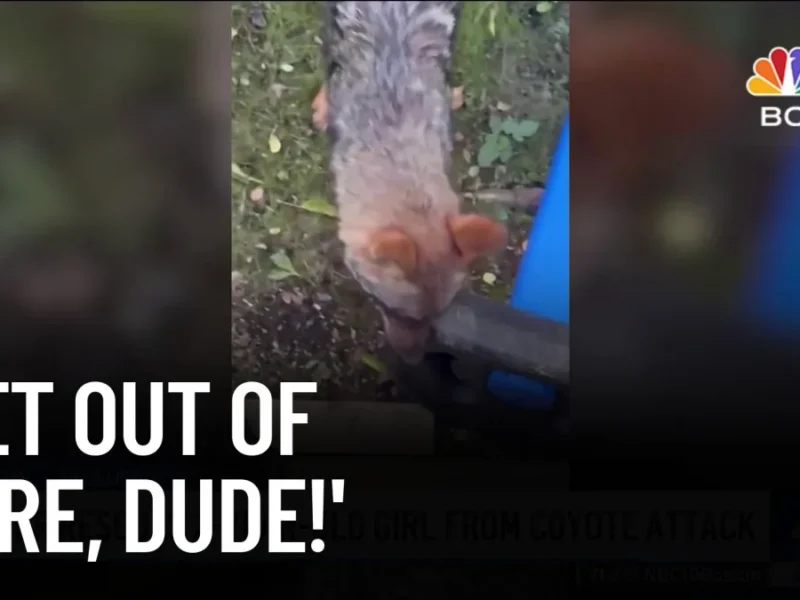
LOS ANGELES, CA — A coyote injured a 16-month-old child in Atwater Village, and California Department of Fish and Wildlife officers later killed a coyote in the same area. Officials have not confirmed whether it was the same animal. Residents now say they want to talk about how to reduce future encounters.
At a glance
- Animal: Coyote
- Where: 3300 block of Glenhurst Avenue in Atwater Village, northeast Los Angeles
- When: Friday, according to California Department of Fish and Wildlife
- What happened: Wildlife officers responded after a 16-month-old child was injured in a coyote-related incident; a coyote was later tracked and killed nearby
- Status: Officials have not said the killed coyote was confirmed to be the one involved in the bite
- Anyone hurt: Yes. The child was treated at a hospital and released
What happened
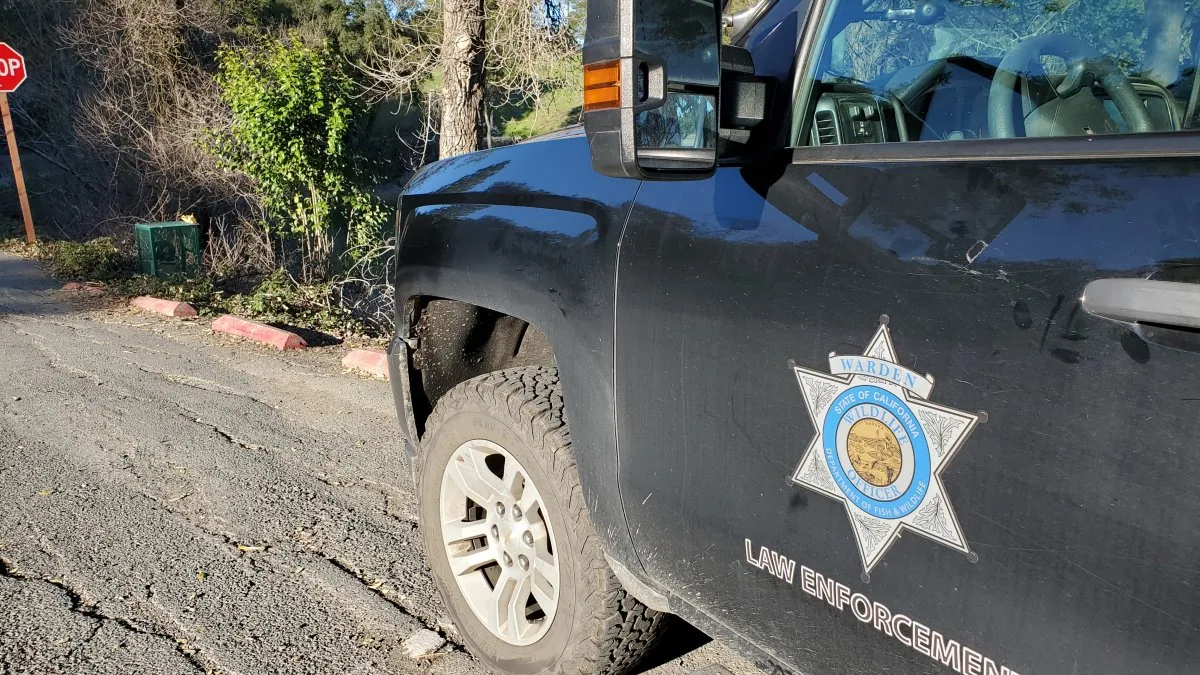
California Department of Fish and Wildlife officers went to the 3300 block of Glenhurst Avenue after a coyote-related incident left a 16-month-old child injured. The agency said the child was taken to a hospital and later released.
Wildlife officials also tracked and killed a coyote in the same area. They have not said whether that animal was the one involved in the bite, so the exact connection remains unconfirmed.
Neighbors said they had seen a coyote they nicknamed Wylie in recent months. Some residents speculated that people may have been leaving food and water out for it, which can encourage coyotes to stay near homes and yards.
A community meeting was reportedly planned for Tuesday so residents could discuss how to prevent future human-coyote encounters and protect pets.
About the animal
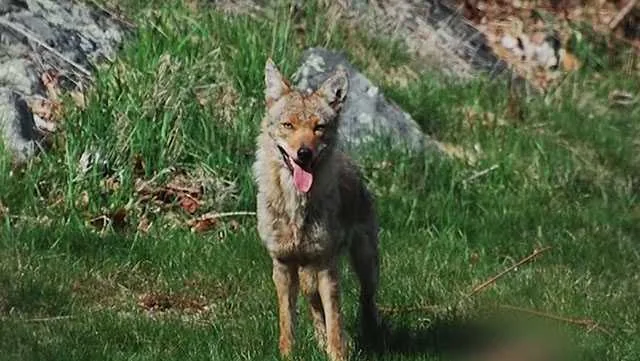
Coyotes are medium-sized wild canines with pointed ears, narrow muzzles and bushy tails. Adults are smaller than most wolves and usually weigh far less than a large dog, though they can still look imposing when they are close to homes or pets.
They are adaptable animals that eat a wide variety of food, including small mammals, birds, insects, fruit and, in urban areas, trash or pet food. Coyotes often move at dawn, dusk and night, but they can also be seen during the day in neighborhoods.
Coyotes are common in much of California and across the United States. Most avoid people, but they can become bold if they are fed, if pets are left unattended, or if they learn that yards and parks offer easy food.
If you encounter one
Wildlife officials generally advise people to keep their distance, stay calm and make themselves look larger if a coyote approaches. Make loud noise, wave your arms and slowly back away while keeping children close.
Do not run, turn your back or try to feed the animal. Keep pets indoors or on a leash, and do not leave pet food, garbage or fallen fruit where coyotes can reach it. Removing attractants is one of the most effective ways to keep them away.
If a coyote acts aggressively, follows people or keeps returning to a neighborhood, contact local animal control or the state wildlife agency. In California, the Department of Fish and Wildlife handles many wildlife complaints and can advise residents on next steps.
What happens next
Residents are expected to gather for a community meeting to discuss prevention, especially how to avoid feeding coyotes and how to keep pets safer outdoors. Officials have not announced any additional enforcement steps.
Wildlife agencies typically monitor complaints in neighborhoods where coyotes have been seen repeatedly, especially when an animal becomes comfortable around people.
Spotted a dangerous animal where you live? Report it to your state wildlife agency or local animal control.