INDEX, WA — A woman was hospitalized after a black bear attacked her Sunday morning while she was walking her dog near her home in the Index area of Snohomish County. Washington wildlife officials say officers searched for the bear and set a trap nearby after the attack.
At a glance
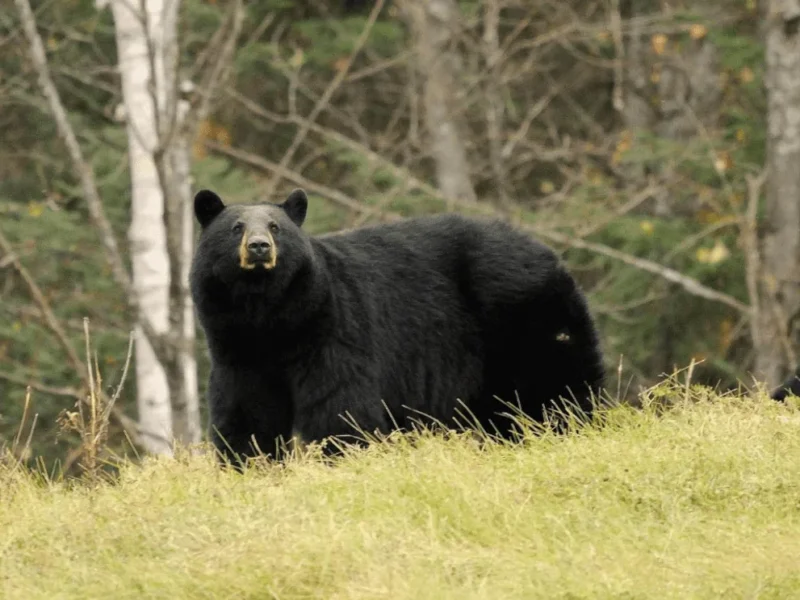
- Animal: An adult black bear, possibly with a cub nearby
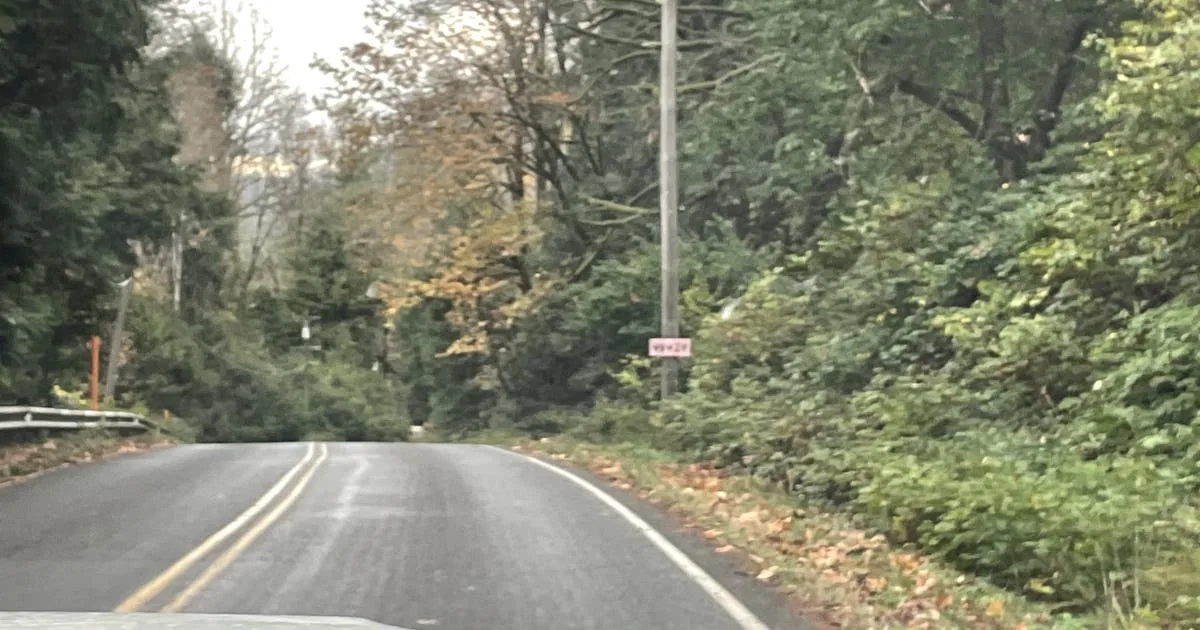
- Where: A rural home along Index-Galena Road near U.S. Route 2 in Index, Washington
- When: Just before 8 a.m. Sunday
- What happened: The bear attacked the woman from behind after she may have surprised it while walking her leashed dog
- Status: Wildlife officers searched with dogs but did not find the bear; a trap was set in the area
- Anyone hurt: Yes. The woman was bitten and clawed and taken to a hospital
What happened
The Washington Department of Fish and Wildlife said the woman was walking a leashed dog in her backyard when she may have startled an adult black bear and a cub that had been seen nearby. Officials said the bear came at her from behind and knocked her to the ground.
The woman told investigators the animal bit and clawed at her during the attack. After getting back to her residence, she called for help and was taken to a hospital. Wildlife officials said she would remain overnight for treatment.
WDFW officers responded Sunday morning and used dogs in an effort to find the bear. The search did not turn up the animal, so wildlife staff set a trap in the area in hopes of capturing it.
Neighbors told FOX 13 Seattle that bear activity has been increasing in the woods around their homes. One resident, Bonnie, said bears have repeatedly come close to her property in recent weeks and have even broken into a locked shed to reach garbage cans.
About the animal
Black bears are the most common bear species in Washington and are generally much smaller than grizzly bears. Adults can still be powerful animals, with thick fur, a broad body, and strong claws built for climbing, digging, and foraging.
They usually spend much of their time looking for food, especially in late summer and fall when they are building weight before winter. Their diet can include berries, nuts, insects, fish, and human food scraps if they find them.
In the Pacific Northwest, black bears often live near forest edges, mountains, and rural neighborhoods that border wild land. They usually avoid people, but conflicts can happen when bears find trash, pet food, livestock feed, bird feeders, or other attractants near homes.
If you encounter one
Wildlife officials say people should stay calm, stand upright, and make themselves known by speaking in a firm, low voice. If a bear is nearby, back away slowly and give it space, but do not run or turn your back abruptly.
Experts also advise keeping pets leashed, bringing in garbage and other attractants, and avoiding food left outside. If a bear is in the area, make noise so it knows you are there, and carry bear spray where it is legal and practical to do so.
If a bear acts aggressively, local residents should contact the Washington Department of Fish and Wildlife or local animal control right away. In areas where bears have been active, families should supervise children outdoors and avoid leaving bowls, grills, or feed outside overnight.
What happens next
WDFW said officers were continuing efforts to capture the bear after the attack. The agency also urged people in the area to reduce the food sources that can draw bears into neighborhoods.
Residents near the Index home were warned by example to secure garbage and other attractants, especially at a time of year when bears are actively feeding before winter hibernation.
Spotted a dangerous animal where you live? Report it to your state wildlife agency or local animal control.