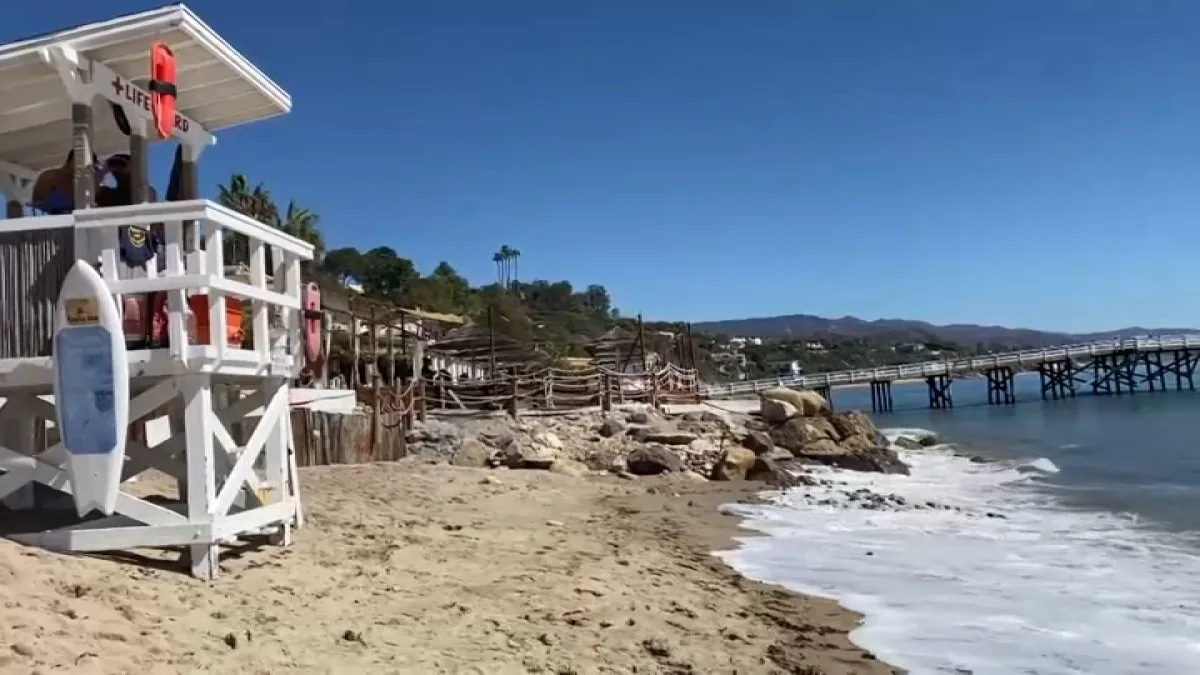
MALIBU, CA — A shark attacked a kayaker Sunday morning off Paradise Cove in Malibu after the man hooked the animal while fishing from his kayak. Lifeguards said nearby boaters helped bring him to safety, and the beach remained open.
At a glance
- Animal: Believed to be a shortfin mako shark.
- Where: Off Paradise Cove in Malibu, California.
- When: About 7:30 a.m. Sunday.
- What happened: A man fishing from a kayak hooked a shark, which bit him, returned, knocked him off the boat and bit his leg again.
- Status: The kayaker was helped to safety, and lifeguards said the beach was not closed.
- Anyone hurt: The victim was injured, but the severity was not clear.
What happened
Lifeguard Alex Buford said the attack was reported around 7:30 a.m. at Paradise Cove. According to Buford, the man was on a fishing kayak when he hooked the shark and brought it alongside the vessel.
Buford said the shark bit the kayaker, then came back after he let it go. The animal reportedly knocked him off the boat and bit his leg again before the situation ended.
People on a nearby fishing boat helped the injured man get to safety. Authorities did not immediately say how badly he was hurt, only that the severity of his injuries was unclear.
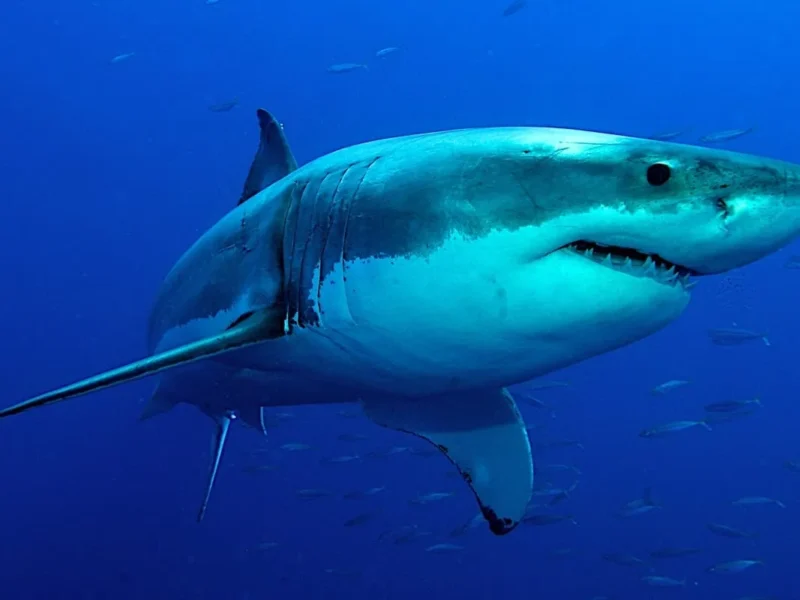
Buford said the shark was believed to have been a shortfin mako. He also said the beach was not closed after the encounter.
About the animal
Shortfin mako sharks are sleek, fast sharks known for their speed and powerful bodies. Adults commonly grow to about 6 to 7 feet long, and they have a pointed snout and a sharply streamlined shape built for pursuit.
Mako sharks are predatory fish that feed on other fish and sometimes squid. They spend much of their time in deeper water rather than close to shore, which is one reason encounters with people are less common than with some other coastal species.
In Southern California, mako sharks are not unusual in offshore waters, but they are not usually associated with shallow-water beach activity. Like all wild sharks, they can be dangerous if they are hooked, cornered or attracted by fishing activity.
If you encounter one
If you see a shark near shore or while fishing from a kayak, stay calm and try to keep the animal in view. Move slowly toward safety if you can do so without splashing or making sudden movements that may draw attention.
Do not try to handle, lift or release a hooked shark by hand. If you are fishing from a small boat or kayak, cut the line if needed and back away carefully. Keep children and pets out of the water until lifeguards or local officials say conditions are safe.
Report a shark sighting or encounter to local lifeguards, harbor officials or the California Department of Fish and Wildlife, depending on where you are. If anyone is injured, call 911 right away and get medical help as quickly as possible.
What happens next
Lifeguards said the beach remained open after the attack, suggesting they did not see a need for a closure at the time. No additional public warning was reported in the information provided by authorities.
Officials had not said whether they would continue monitoring the area for further shark activity, or whether the animal would be tracked after the encounter.
Spotted a dangerous animal where you live? Report it to your state wildlife agency or local animal control.