EDGARTOWN, MA — A woman was hurt in a possible shark bite incident at South Beach on Martha’s Vineyard, prompting officials to suspend swimming for several hours as a precaution. The injury was not considered life-threatening, and no one reported seeing a shark in the water.
At a glance
- Animal: Possible shark, though no shark was seen
- Where: South Beach at Norton Point on Martha’s Vineyard
- When: Aug. 31, around 1:40 p.m.
- What happened: A swimmer came out of the water with injuries that appeared consistent with a potential shark bite
- Status: Swimming was suspended for several hours while officials followed the town’s shark response procedure
- Anyone hurt: Yes. A woman in her late 20s was taken to the hospital for evaluation, and the injury was not life-threatening
What happened
Edgartown Town Administrator James Hagerty said the incident happened at about 1:40 p.m. on Aug. 31 at Norton Point, the eastern end of South Beach. Beach staff helped the woman once she got out of the water.
Hagerty said Edgartown Fire, EMS and parks personnel treated her on scene before she was taken to the hospital for further evaluation. He said her injuries did not involve the loss of a limb.
No shark or other marine animal was actually spotted during the incident, but the wounds appeared to match what officials considered a potential shark bite. As a precaution, swimming was halted for several hours under the town’s procedure for suspected shark encounters.
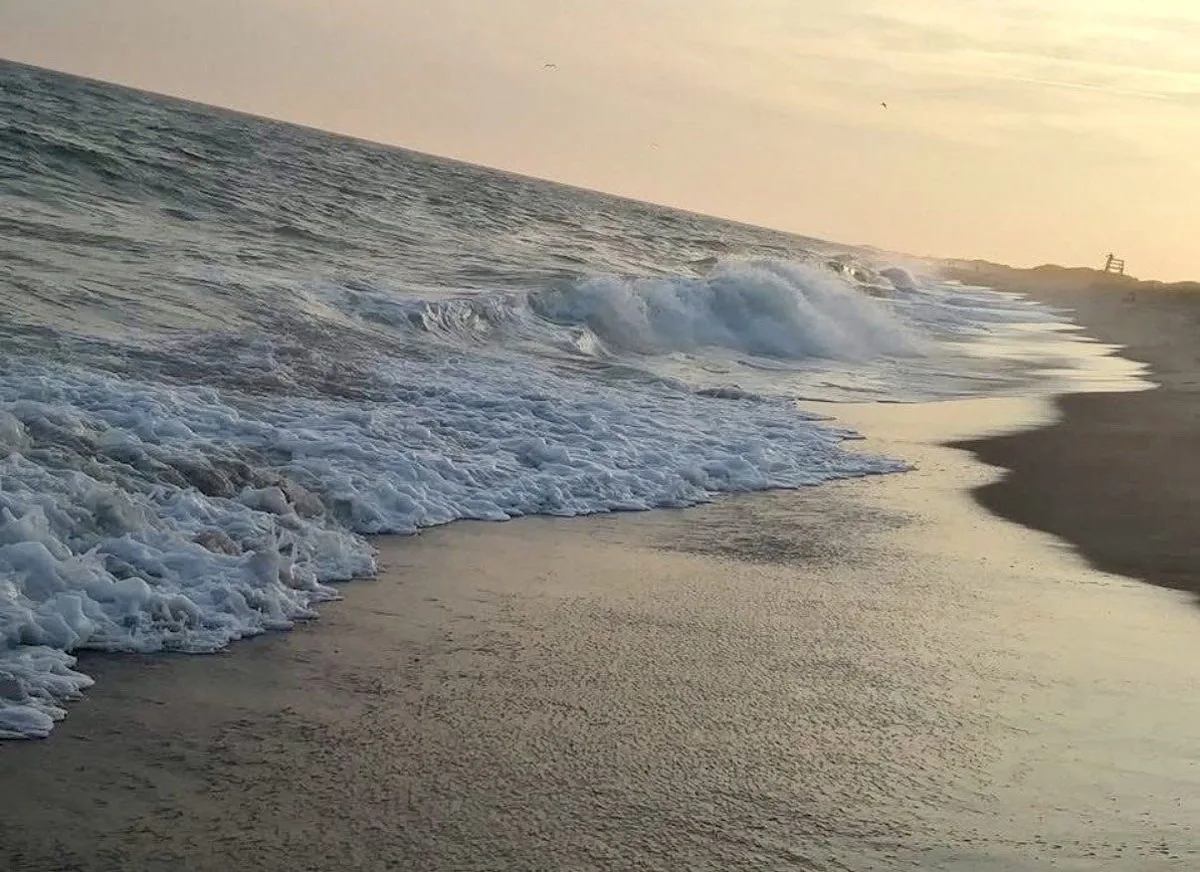
The beach sits on a shifting stretch of shoreline between the Atlantic Ocean and Katama Bay. Officials in the area are used to monitoring conditions there because moving sandbars, currents and troughs can draw bait fish close to shore and attract larger predators.
About the animal
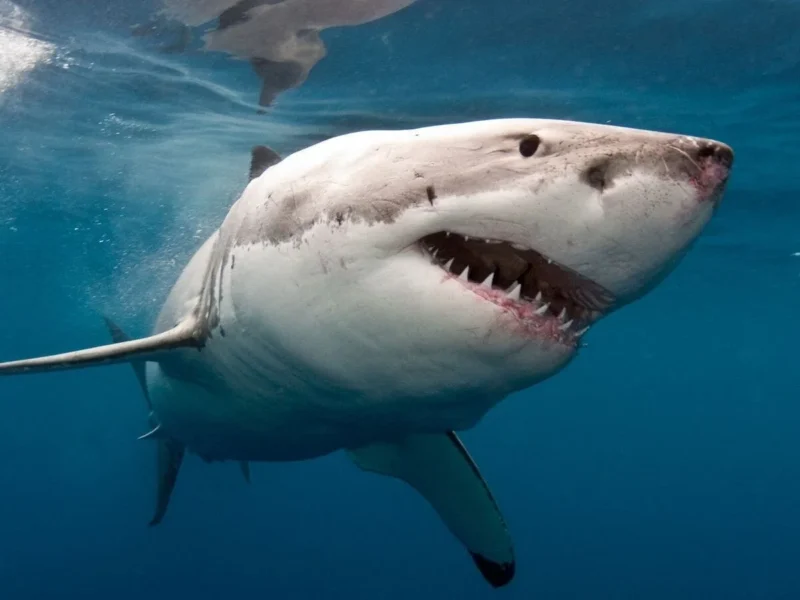
Sharks found in waters around Cape Cod and the Islands include Atlantic white sharks, dusky sharks, sand tiger sharks and dogfish. Depending on the species, they can range from relatively small fish-eaters to large predators that are easy to mistake for one another at a distance.
White sharks are the species most often linked with serious incidents off southern New England, but other sharks also move through nearshore waters. They are hunting animals and may follow schools of fish or seals into shallow areas, especially where the water is murky or the surf is active.
In this region, shark activity is not unusual in late summer. Experts with the Atlantic White Shark Conservancy in Chatham say August is peak shark season, and they note that sharks may use shallow water near shore while searching for prey.
If you encounter one
Wildlife experts advise swimmers to stay close to shore, avoid rough or murky water, and swim where lifeguards can reach you quickly. It is also smarter to stay in groups, since a lone swimmer is more vulnerable and harder to spot in an emergency.
People should also keep away from schools of fish and from seals, which can signal that sharks are nearby. Splashing, dangling limbs and erratic movement can draw attention in the water, so calm, steady swimming is preferred.
If a shark is seen, leave the water as smoothly and quickly as possible without panicking. Beachgoers should follow lifeguard instructions, obey posted closures and report unusual activity to local officials or the state wildlife agency.
What happens next
After the incident, Hagerty reminded beachgoers to stay aware of their surroundings in the water and to follow any beach advisories. The town’s precautionary closure was meant to reduce risk while officials assessed conditions.
Beachgoers on Martha’s Vineyard and across Cape Cod are regularly urged to pay attention to changing surf, wildlife activity and posted warnings before entering the water.
Spotted a dangerous animal where you live? Report it to your state wildlife agency or local animal control.