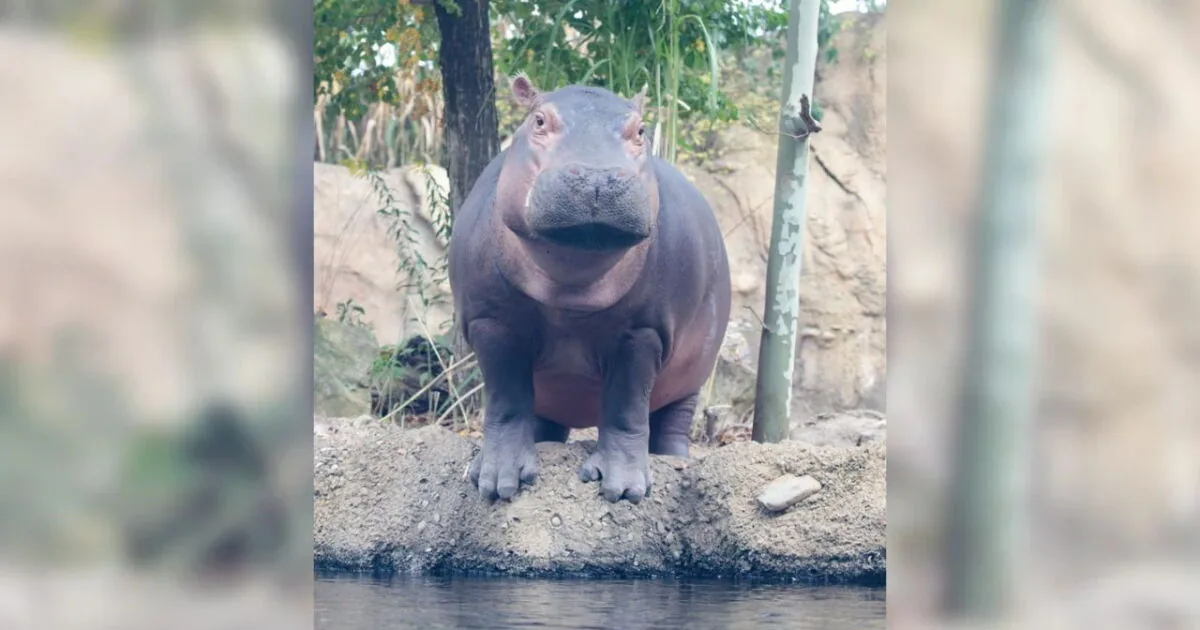
CINCINNATI, OH — The death of Fiona, the Cincinnati Zoo’s famous hippo, has drawn worldwide attention after a visitor accidentally threw a hat into her enclosure and she ingested it. Zoo officials said the incident was an accident, and criminal charges are unlikely.
At a glance
- Animal: Fiona, a Cincinnati Zoo hippo
- Where: Cincinnati Zoo, Cincinnati, Ohio
- When: Reported after a visitor accidentally threw a hat into her enclosure
- What happened: Fiona ingested the hat and died
- Status: Zoo officials say the case appears accidental and charges are unlikely
- Anyone hurt: No human injuries were reported in Fiona’s case
What happened
Zoo officials said Fiona died after ingesting a hat that a visitor accidentally tossed into her enclosure. The episode was described as an accident, which is why prosecutors are not expected to pursue charges.
The incident has prompted conversation about how easily a moment of carelessness can turn dangerous in a zoo setting. Fiona’s death also revived memories of earlier cases in which visitors entered exhibits or caused animals to be injured or killed.
Among the best-known examples is Harambe, the Cincinnati Zoo’s western lowland silverback gorilla. In May 2016, a 3-year-old boy fell into the enclosure, and zoo officials shot Harambe while trying to protect the child.
Other cases cited in the broader history of visitor-involved zoo deaths include a fatal encounter at the Pittsburgh Zoo, a tiger attack at the San Francisco Zoo, and a polar bear incident at Prospect Park Zoo in New York. In each case, the chain of events began with unsafe human behavior near or inside an animal enclosure.
About the animal
Hippos are large, heavy-bodied animals with barrel-shaped torsos, short legs and wide mouths. Adult common hippos can weigh several thousand pounds, and they are built for life in and around water.
In the wild, hippos spend much of the day in rivers, lakes and wetlands, and they usually graze on grass at night. Even though they may look slow, they can move quickly and are considered one of Africa’s most dangerous large animals.
In a zoo setting, hippos are not common backyard wildlife in the United States, but they are familiar to many visitors because major zoos keep them on display. They are not animals people should approach, feed or try to interact with at close range.
If you encounter one
If you are visiting a zoo, follow barriers, posted warnings and keeper instructions at all times. Never lean over rails, try to touch an animal, or throw anything into an enclosure, even if it seems harmless.
If a child is with you, keep them close and away from railings, ledges and fences. Pets should never be brought near zoo habitats unless the facility specifically allows them, since noise and sudden movement can create risks for both animals and people.
If an animal escape, injury or dangerous public interaction occurs, alert zoo staff immediately and call 911 if there is an immediate threat to life or safety. Local animal control or the state wildlife agency can also help guide the public when a wild animal is involved outside a zoo.
What happens next
Zoo officials have treated Fiona’s death as an accidental event, and the case is not expected to lead to criminal charges. The incident is likely to remain a point of discussion about visitor behavior and enclosure safety.
It also adds to a long list of tragedies in which a moment of human recklessness or misjudgment had deadly consequences for animals housed in zoos.
Spotted a dangerous animal where you live? Report it to your state wildlife agency or local animal control.