LOS ANGELES, CA — A coyote attacked a 16-month-old boy in a Northeast Los Angeles backyard, and state officials later said DNA testing confirmed the euthanized animal was the same one involved. The child was treated at a local hospital and released, while neighbors said the animal had been a growing concern for months.
At a glance
- Animal: Coyote
- Where: 3300 block of Glenhurst Avenue in Atwater Village, near the 5 Freeway
- When: Friday, with a DNA confirmation reported Tuesday
- What happened: The coyote attacked a 16-month-old boy in his family’s backyard and followed him and his mother inside the home
- Status: State wildlife officers euthanized a coyote near the scene and later confirmed by DNA it was the animal involved
- Anyone hurt: The boy was taken to a hospital and released
What happened
The California Department of Fish and Wildlife said the attack happened on the 3300 block of Glenhurst Avenue in Atwater Village, a dense neighborhood just north of the 5 Freeway. The boy was in his family’s backyard when the coyote attacked, according to the family’s account to KTLA.
The family also said the animal followed the child and his mother into their home. Wildlife officials said the boy received medical care at a local hospital and was later released.
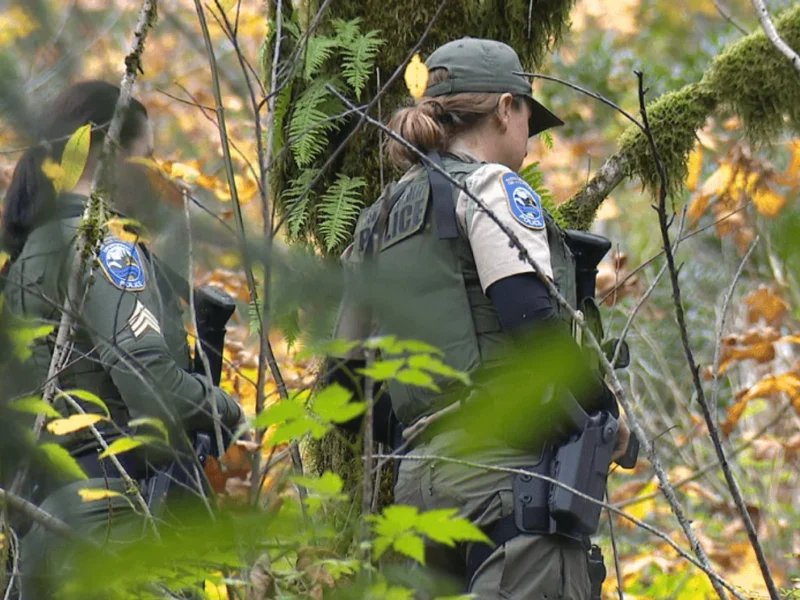
State wildlife officers found a coyote near the area Friday evening and euthanized it. They collected DNA samples from the child and the animal to determine whether it was the same coyote responsible for the attack.
Officials later said Tuesday that DNA testing confirmed the euthanized coyote was the one that attacked the toddler. The confirmation brought added attention to longstanding neighborhood concerns about coyotes in the area.
About the animal
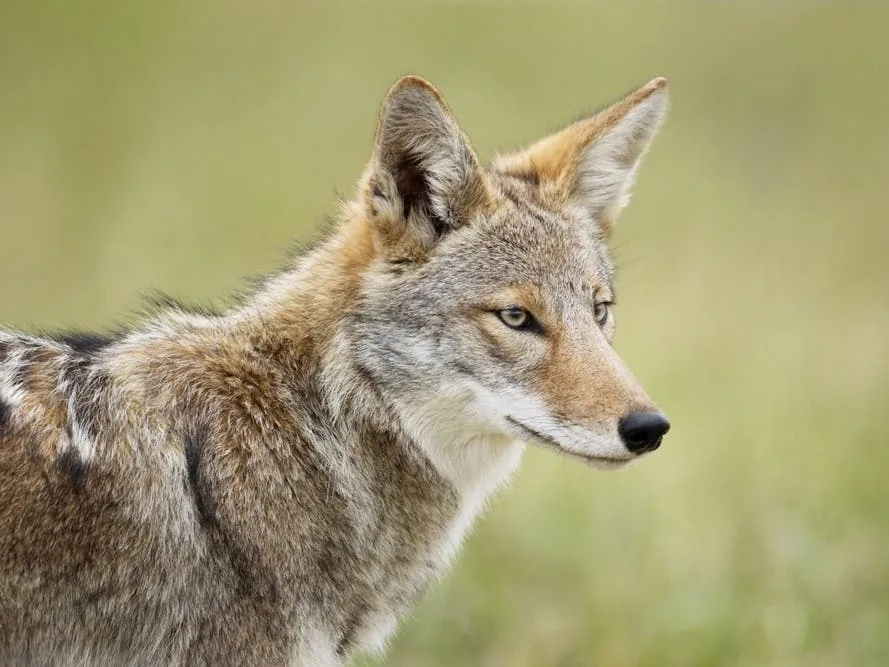
Coyotes are medium-sized wild canines with pointed ears, narrow muzzles and bushy tails. Adults are usually smaller than wolves and larger than foxes, and they can appear tan, gray or a mix of brown tones depending on the region and season.
They are adaptable animals that live in deserts, scrub, farmland and urban neighborhoods. Coyotes mainly eat rodents, rabbits, fruit, insects and sometimes pet food or outdoor food left unsecured. In cities, they may learn to move through yards, alleys and greenbelts after dark or early in the morning.
Coyotes are common across California and much of the United States. They usually avoid people, but problems can develop when they become used to humans, find easy food or lose their fear of neighborhoods. Small children and pets are the most vulnerable during close encounters.
If you encounter one
Wildlife officials say people should keep a safe distance, back away slowly and keep children and pets close. If a coyote is seen nearby, make loud noises, wave your arms and try to appear larger so the animal leaves on its own.
Do not run, turn your back or try to feed the animal. Do not leave pet food outside, and keep trash secured because easy food can draw coyotes into residential areas. Pets should be supervised outdoors, especially at dawn and dusk.
If a coyote behaves aggressively, follows people or attacks, call 911 and contact local animal control or the state wildlife agency. Officials also advise fighting back if physically attacked, because trying to escape may make the animal more likely to continue the assault.
What happens next
Residents in the neighborhood were planning a community meeting Tuesday to talk about ways to reduce future coyote encounters while protecting pets. Neighbors also continued to question whether earlier warnings about the animal should have prompted a faster response.
It remained unclear for a time whether the euthanized coyote was the same one neighbors had been seeing for months, but state officials later said DNA testing confirmed the match.
Spotted a dangerous animal where you live? Report it to your state wildlife agency or local animal control.