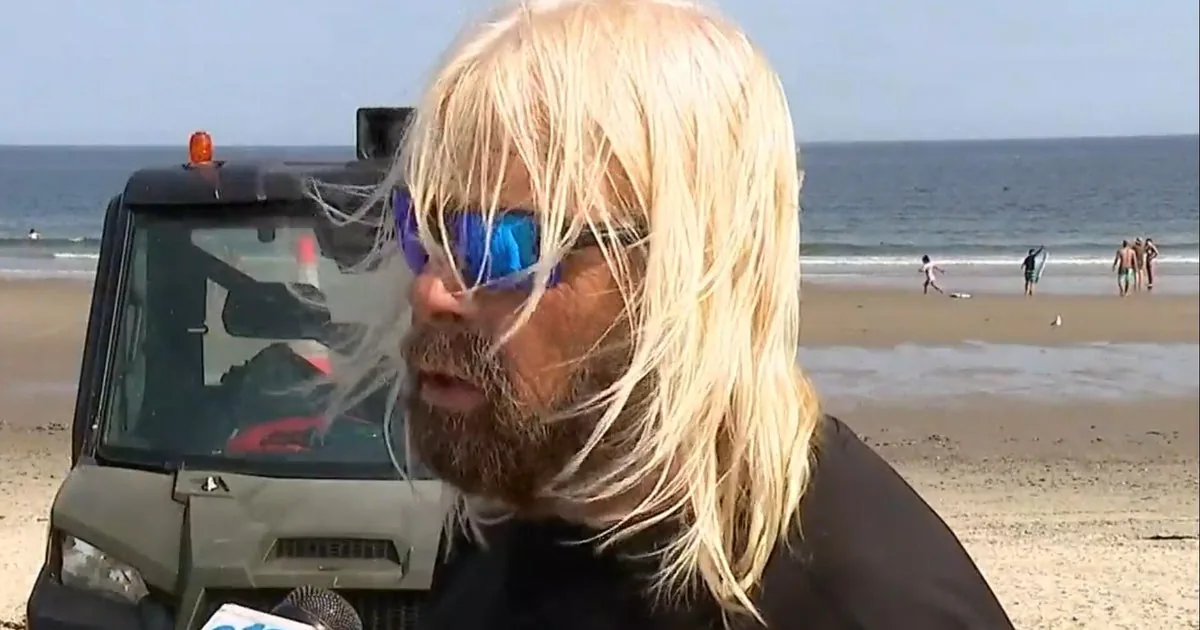
SCARBOROUGH, ME — A Maine lifeguard was pulled underwater by a shark off Scarborough Beach on Saturday after the animal grabbed his buoy, officials said. Greg Wilfert said he broke free and made it back to shore unharmed, while marine officials reported a recent rise in sharks seen near local beaches.
At a glance
- Animal: Shark, specific species not identified
- Where: Off Scarborough Beach in Scarborough, Maine
- When: Saturday, with officials describing increased sightings since last week
- What happened: The shark grabbed the lifeguard’s buoy and pulled him about 5 feet underwater before he got free
- Status: The lifeguard reached shore unharmed
- Anyone hurt: No injuries were reported
What happened
Wilfert said he first thought something had struck him from behind, and his first guess was that he had been caught by a boat propeller. He later realized there was no boat nearby, only the shark holding onto his buoy.
He said the animal pulled him roughly 5 feet underwater before he was able to break free and get to shore. Wilfert described the encounter as frightening and said he was able to leave the water without injury.
Scarborough marine resources officer Daryen Granata said the area has seen an unusual run of shark sightings. He said at least a dozen sharks had been spotted close to popular beaches in the previous week, a larger number than he has seen in more than 30 years working the area.
Officials along the East Coast have been warning beachgoers that sharks are being seen closer to shore in some places. Experts cited in the coverage linked the broader trend to healthier marine populations in recent years, which can mean more sharks and other sea life in coastal waters.
About the animal
Sharks are a group of large predatory fish with streamlined bodies, cartilage instead of bones, and rows of teeth adapted for catching prey. Depending on the species, they can range from small coastal sharks to powerful open-water hunters.
Most sharks feed on fish, squid, and other marine animals. They generally do not target people, and unprovoked encounters remain uncommon even in places where sharks live near busy beaches.
Along the Maine coast, sharks are part of the region’s marine ecosystem and can move closer to shore when prey is present. Even so, the risk to swimmers is still low compared with the number of people who use the water each year.
If you encounter one
If a shark is spotted nearby, officials generally advise swimmers to leave the water calmly and quickly, avoiding sudden splashing or erratic movement. Stay close to shore only if local authorities say it is safe to do so, and keep children within arm’s reach.
Do not try to approach, touch, feed, or film a shark at close range. Pets should be kept out of the water if there are warnings or active sightings, since animals can draw attention and make it harder to monitor the shoreline.
Beachgoers should follow lifeguard instructions and check with local officials, harbor masters, or the state wildlife agency for current guidance. If there is an immediate danger, call 911 and alert nearby lifeguards right away.
What happens next
Officials have not said that the shark involved was captured or removed. The main follow-up appears to be continued monitoring along the Scarborough shoreline as sightings remain elevated.
Marine officials and beach staff are also expected to keep warning visitors if more sharks are seen near swimming areas.
Spotted a dangerous animal where you live? Report it to your state wildlife agency or local animal control.